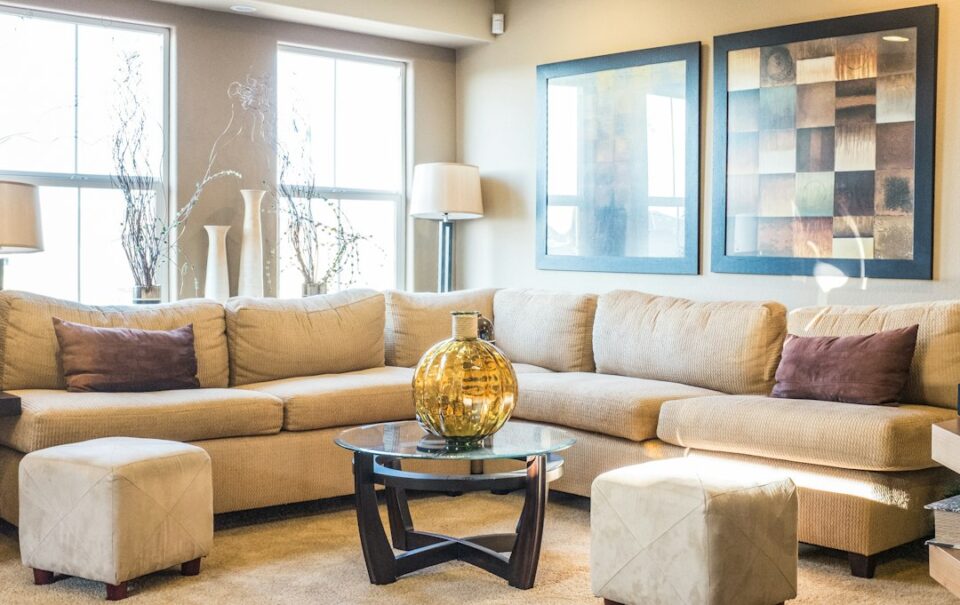
If you are planning a living room refresh and wondering how to choose a sectional sofa with confidence, this long-form, practical guide walks you through measuring accurately, selecting the right configuration, comparing fabrics and construction, testing comfort, budgeting, planning delivery, and setting up care routines so the piece you buy fits both your space and your daily life.
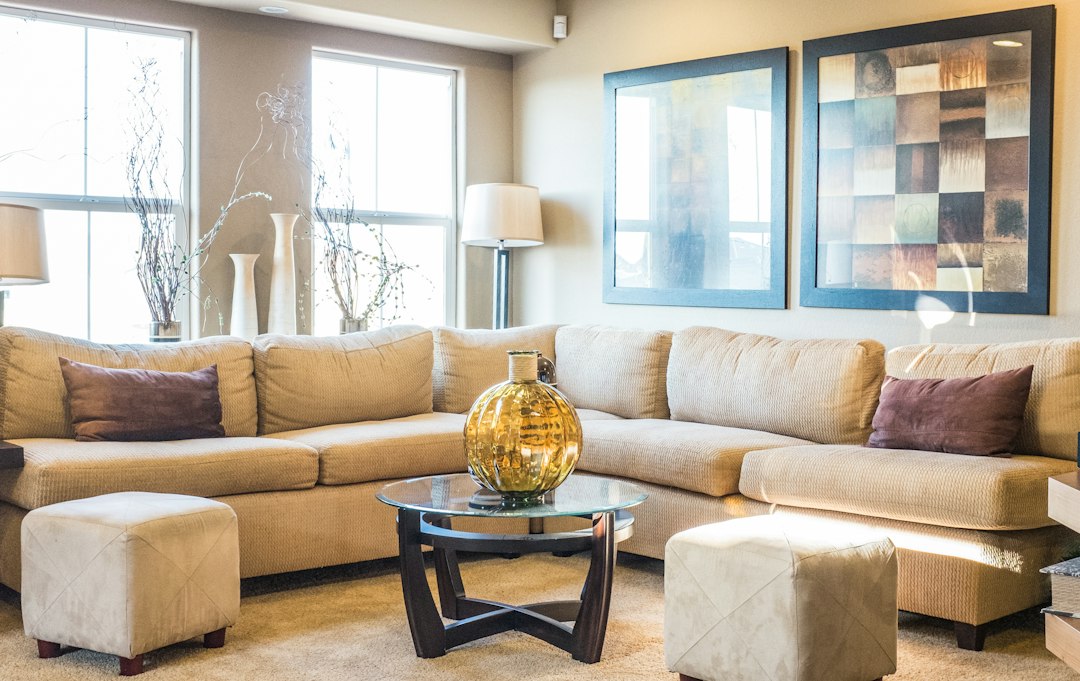
how to choose a sectional sofa
Start with a simple plan: measure, match, and maintain. Measure the room and delivery path so you know what will physically fit. Match the sectional’s configuration, depth, and upholstery to how you actually live—from movie nights to pets and kids to hybrid work. Maintain the piece with a realistic cleaning routine and smart fabric choices so it stays comfortable and looks composed over time. This framework scales nicely whether you live in a studio, a townhouse, or a sprawling open-plan home.
As you read, you’ll find step-by-step lists, example dimensions, and small “room math” rules of thumb. Keep a tape measure and a notepad handy. The more specific your numbers, the easier the final choice becomes.
Measure like a pro: room and delivery path
Most sectional regrets begin with guesswork. Precise measurements prevent surprises on delivery day and help you visualize how people will actually move through the room. Work through these steps and write everything down.
- Sketch a basic floor plan. Use simple graph paper or a phone app. Mark windows, radiators, vents, outlets, built-ins, and the obvious focal points (TV, fireplace, best window view). Identify current pathways: where do you naturally walk now?
- Record major dimensions. Measure wall lengths, room width and depth, ceiling height, window sill height, and distances from corners to door openings. Note baseboard depth and any sloped or angled walls.
- Protect circulation. Reserve 30–36 inches for the main path through the room. Secondary paths can feel fine at 28–30 inches if you are short on space. Keep 14–18 inches between cushion front and coffee table edge so you can reach a cup comfortably.
- Check window and vent clearances. Back height should not block lever windows or bump into curtain rods. Leave a few inches of space from HVAC vents for airflow. If in doubt, shift the sectional forward and use a narrow console table behind it for lamps and charging.
- Measure the delivery route. This is the step people skip. Measure building entry width and height, elevator door and elevator cab height, hallway widths, stair widths, tread depth and riser height, and the tightest turns. If there’s a gate, narrow exterior path, or sharp porch turn, measure that too.
- Diagonal clearance math. When a section is tilted, its diagonal can make or break a tight corner. Ask the seller for packaged or assembled dimensions of each segment. For stair turns, compare the box diagonal (height squared + depth squared, then square root) to your tightest turn width and height. If the diagonal exceeds your turn, explore modular pieces, split delivery, or a smaller configuration.
- Door swing and knob clearance. Measure the narrowest dimension the piece must pass through with doors propped open. If removing a door helps, plan the tool and time beforehand.
Translate those numbers into practical sizing guardrails:
- Total width: Covering about two-thirds to three-quarters of the wall usually looks balanced. A wall-to-wall fit can look heavy and complicate curtains or blinds.
- Total depth: Common depths run 35–42 inches. Lounge-forward designs can reach 44–48 inches. In compact rooms, err on the leaner side and add an ottoman for feet-up lounging when needed.
- Seat depth (the real comfort dimension): 20–22 inches favors upright sitting. 23–25 inches supports a casual lean. 26 inches and up is a true lounge depth for curling up. When household members vary in height, aim for a middle depth and keep substantial pillows nearby for personalized support.
- TV viewing distance: As a baseline, try 1.5–2.5 times your screen’s diagonal; adjust for eyesight and preference.
Low-tech visualization works. Tape the footprint on the floor, including coffee table clearance. Live with the tape for a day. If you keep tripping over a corner or skirting a tight spot, the configuration is too large or oriented incorrectly.
Configurations and components decoded
Knowing the building blocks helps you design a sectional that supports actual living instead of just filling a corner. Here are the main parts and how they change use and flow:
- Chaise: Extended platform for legs. Choose left- or right-facing based on the view from standing and facing the sectional. Position so it frames the path into the room rather than blocking it.
- Corner wedge: An angled connector for conversation-friendly corners. Great for rounding out the inside corner; it trades a bit of corner width for easier eye contact.
- Square corner: A simple 90-degree joint. It can create a more defined, boxy look and a stronger inside corner perch for one person.
- Armless unit: Adds length to a run without extra arms. In modular designs, armless seats are the flexible “extenders” you can move between sides as needs change.
- One-arm sofa or loveseat: A segment with one arm. Pairs with a corner to form an L, or connects to armless units for a long run that still has an end.
- Sleeper unit: Adds guest capacity. Heavier and deeper than standard seats; confirm the extended footprint with the bed open.
- Storage chaise or console: Handy for blankets, controllers, and chargers in compact rooms. Also good for hiding a power strip.
Popular configurations—and where they shine:
- Asymmetrical L with chaise: A space-efficient all-rounder. Chaise preserves a clear path and creates a natural lounge spot pointing to the TV or view.
- Classic L: Balanced lengths on both sides support conversation and viewing. It tucks into a corner or floats with a console behind.
- U-shape: Best for large rooms with a central table. Strongly social, with everyone facing the middle. Ensure the U’s mouth is wide enough (about 40 inches) for easy entry and exit.
- Pit sectional: Deep bench cushions on all sides for sprawling and movie nights. Great for lounging; not ideal for extended upright work or reading.
Think beyond seat count. A configuration that keeps the entry path open, supports eye contact at conversational distances, and points comfortably at your focal wall will feel better day in, day out than an oversized setup that crowds movement.
Comfort and ergonomics: seat depth, support, and realistic testing
Comfort is personal, but there are consistent patterns that help you predict what will feel good for hours, not just minutes. Treat showroom testing like a mini workout for your posture.
- Seat height: 17–19 inches is typical. Shorter folks often prefer the lower end; taller people tend to be happy near 19 inches. Lower seats give a lounge vibe but can make standing up a bit more effortful for some.
- Seat depth: Upright conversation sits well at 20–22 inches; reading or laptop sessions can feel natural at 22–24 inches; long movie sprawls start to feel indulgent at 25–27 inches. If your household spans sizes, consider 22–24 inches plus supportive pillows so each person tunes their sit.
- Back pitch and cushion density: A gentle recline with a supportive back cushion distributes weight and reduces fidgeting. Too upright can feel formal; too reclined can force neck craning during TV time.
- Arm style: Track arms offer a flat surface for a book or snack tray. Slim arms reduce visual bulk and reclaim a bit of width in tight rooms. Rounded arms feel cozy and classic but add inches; consider this if your space is tight.
Inside the cushions, construction matters:
- Foam density: Many seats use high-resilience foam around 1.8–2.5 lb/ft³. Higher numbers feel firmer initially and may retain shape longer. Surface wraps (fiber, down-alternative) add a soft hand while a denser core supplies support.
- Hybrids and coils: Some cushions add pocketed coils within foam. These can spring back quickly and maintain loft with frequent use.
- Back cushion fills: Loose fiber fills are cozy but benefit from periodic fluffing. Baffled chambers help reduce shifting, and foam-blend backs keep a more sculpted outline for a tidy look.
Do a thorough in-store sit test: shoes on and off, upright and slouched, legs folded and outstretched. Sit all the way back and notice whether your lower back feels supported without extra pillows. Slide to the front edge and stand; if the angle and height feel natural, the seat height is likely a match. Set a timer for five minutes: the cushion that still feels good at minute five tends to feel right at hour two.
Materials and upholstery: fabric, leather, and performance options
Upholstery decides how your sectional looks on day one and how it will wear through the seasons. Match materials to your household’s habits, pets, and climate.
- Woven synthetics and blends (polyester, acrylic, nylon blends): Durable, colorfast, and widely varied in texture. Performance versions often use tighter weaves that help liquids bead. Many clean with mild soap and water; always follow the maker’s cleaning code and spot-test first.
- Cotton and linen blends: Naturally breathable with a relaxed finish. Tighter weaves handle busy rooms more gracefully. Expect some gentle creasing; many people enjoy the lived-in character.
- Microfiber: Suede-like hand, forgiving with daily use, and friendly to quick vacuuming. Darker shades hide marks; lighter tones brighten a room.
- Leather: Full-grain and top-grain options wear in with attractive character and can last for years. Corrected-grain and bonded leathers cost less but tend to have shorter lifespans. Many households appreciate how easily leather surfaces wipe clean. Keep pet nails trimmed to reduce visible marks.
Clues that help you compare fabrics with more certainty:
- Swatches at home: Order swatches and view them in daylight and evening light. Hold them up to your rug, floor, and wall color. Rub the surface lightly with a clean hand to see how sheen and nap react.
- Wear tests: If supplied, Martindale or Wyzenbeek rub counts indicate lab-tested abrasion resistance. Higher numbers point to tougher fabrics. These test figures are indicators, not a predictor of every household’s real-life outcome.
- Cleaning codes: Common codes include W (water-based cleaners), S (solvent-based), WS (either as directed), and X (vacuum or professional care only). Pick a code you can stick with without stress.
- Pet considerations: Tight weaves, subtle textures, and mid-tone colors hide fur and light scuffs better. For cats or dogs that love to scratch or nest, fabrics with visual texture can diffuse small marks.
About color strategy:
- Neutral core: Warm gray, oatmeal, camel, charcoal, or navy support seasonal color shifts via pillows and throws. This keeps the big piece versatile if you redecorate.
- Light and bright: Lighter textiles can make small rooms feel more open. Pair with washable throws and patterned pillows to camouflage occasional marks.
- Bold anchor: A deep green, rust, or indigo sectional can define the room’s palette. Repeat the hue in art or accessories in at least two other spots for visual cohesion.
If indoor air quality is on your mind, ask about third-party tested materials or low-emission certifications. After delivery, ventilate the room and open windows when possible so new furniture odors dissipate more quickly.
Modular vs fixed and smarter add-ons
Modular sectionals connect multiple smaller units with brackets or hooks. They are easier to deliver through tight entries, simpler to rearrange for parties, and can expand later with matching pieces. The trade-off is more seam lines and the occasional need to re-clamp connectors after cleaning days or moves.
Fixed sectionals arrive as larger, prebuilt segments (for example, left-arm sofa + corner + right-arm sofa). Lines flow cleanly across long spans, and pieces feel monolithic. The trade-off is less flexibility if you move or want a new layout later.
Questions that clarify which path suits you:
- Will you likely move within two to four years? Modular usually makes life easier.
- Do you enjoy rearranging for gatherings? Modular flexes fast.
- Do you prefer minimal seams and a very unified silhouette? Fixed often looks cleaner.
- Is the household energetic with kids who push on arms or pets who jump up quickly? Fixed joints reduce drift; modular needs diligent clamping and level feet.
Thoughtful add-ons that help daily life:
- Sleeper chaise or sofa bed: Plan for the extended footprint when the bed is open so the route to a bathroom or kitchen remains passable. If you can, try the mechanism in-store and check the mattress spec for thickness and material.
- Hidden storage: Under-chaise bins corral blankets and controllers in small rooms. A storage console can hide a power strip and spare chargers.
- Power recliners and headrests: Comfortable for long viewing sessions. Map outlets or choose a battery pack. Confirm space behind and in front for the reclining arc.
- USB and power ports: Keep phone and tablet charging tidy. Route cords beneath rugs or along baseboards with cable guides to reduce trip risks.
Style, color, and pairing with rugs, tables, and lighting
A sectional becomes the visual anchor in most living rooms. The supporting pieces—rugs, tables, and lights—decide whether the space feels balanced or crowded.
- Rug sizing: Front legs on the rug help unite the grouping. A rug that extends 8–12 inches beyond sectional edges avoids the “too small island” look. In large rooms, consider a bigger rug that pulls chairs and side tables into the same visual field.
- Coffee tables: Target two-thirds the length of the long side, with 14–18 inches of reach from the cushions. Rounds soften an L; rectangles maximize surface for snacks and board games. Oval shapes maintain surface area but reduce knee bumps in narrow rooms.
- Side tables: 20–24 inches tall lines up with most arms. Nesting sets flex on game nights and tuck away afterward.
- Lighting: Combine a corner floor lamp for ambient light, a table lamp at one arm for task light, and soft overhead or wall lighting. Dimmable options keep movie nights cozy.
- Textiles and layers: If you choose a neutral sectional, mix textures—bouclé, linen, knit, smooth weaves—so the room reads layered instead of flat. Repeat a few materials so the mix looks intentional.
Three quick style “recipes” that rarely miss:
- Modern calm: Low backs, track arms, metal or recessed block legs, tightly tailored upholstery, and a stone or glass table. A large abstract or photographic print finishes the focal wall.
- Transitional cozy: Medium backs, square arms, wood legs, performance fabric in a warm neutral, and a rounded-edge wood table. Patterned pillows add interest without committing the whole sofa.
- Organic lounge: Bench seats, slipcovered look, natural fibers, a chunky wool or jute-blend rug, and a wood slab table. Plants and linen curtains complete the softness.
Build quality, durability, and warranties
You sit on comfort but pay for construction. A few spec-sheet details hint at how the sectional will age under your routine.
- Frame: Kiln-dried hardwoods (maple, oak, poplar) resist warping. Quality engineered hardwood performs well when thick and properly joined. Vague “wood frame” descriptions offer little insight; ask what kind of wood and joinery are used.
- Joinery: Corner blocks plus glue and screws are positive signs at load points. Doweled or mortise-and-tenon joints appear in higher-end builds. Staples alone across long spans raise concern.
- Suspension: Sinuous (S) springs perform well when closely spaced and secured. Eight-way hand‑tied springs are a traditional premium option. Sturdy webbing can be reliable when tensioned firmly.
- Legs: Screw-in legs are replaceable and can tweak seat height slightly. Integrated legs look sleek but are harder to swap if damaged.
- Upholstery tailoring: Taut fabric, straight seams, and reinforced stress points help reduce early sagging or seam stress. Removable cushion covers, when available, make cleaning or future refreshes easier.
Warranty terms signal a brand’s confidence in its build. Longer coverage on frames and springs is a meaningful data point. Read what the policy includes and excludes, then pair that with your expected use: a quiet household and a daily high-traffic room put very different demands on the same frame and cushions.
Budgeting, value signals, and a smart shopping strategy
Prices vary with materials, labor, brand, and configuration complexity. Aim for value aligned with your goals rather than the absolute lowest price. Here is a practical way to structure the search.
- Entry range: Basic frames and foam, common fabrics, limited configurations. Good for short-term housing, rentals, or low-traffic rooms.
- Mid-range: More hardwood content, improved suspension, denser foams or hybrid cushions, performance fabrics, and many configuration choices. This bracket often hits the sweet spot for everyday family use.
- Premium: Kiln-dried hardwood frames, top-grain leathers or high-performance textiles, meticulous tailoring, optional hand-tied suspensions, and custom sizing. Ideal for long-term homes where comfort feel and aging character are priorities.
Value signals while browsing:
- Specific material descriptions (“kiln-dried maple frame” beats “wood frame”).
- Published cushion specs including foam density or coil details.
- Availability of replacement covers or parts to extend lifespan.
- Transparent lead times and delivery details.
Spending wisely also means looking at total cost of ownership:
- Delivery level: Curbside is cheaper but puts assembly and packaging disposal on you. White-glove typically includes room placement, basic assembly, and removal of packaging—often worth it for large sectionals or if you live alone.
- Stocked vs custom: Stocked fabric and standard configurations reduce cost and wait time. Custom choices dial in color and size but can take weeks longer.
- Seasonal timing: Many retailers offer sales around holidays or at season end. If timing is flexible, you may find a good price on a floor model—just measure carefully and inspect seams and feet before buying, as returns on clearance items may be limited.
Delivery, setup, care routines, and maintenance
Set yourself up for a low-stress delivery day. A little prep shortens the window between arrival and the first relaxing sit.
- Pre-delivery walkthrough: Reconfirm the measurement notes you took—door widths, hallways, stair turns. Protect floors with runners or a drop cloth, clear pathways, and remove or prop doors if that helps.
- Tools and helpers: Keep a drill with screwdriver bits, felt pads, a small wrench, zip ties, a level, and scissors or a utility knife for packaging. A second person makes alignment and clamping easier.
- Assembly and alignment: Follow the maker’s sequence. Clamp or hook pieces firmly; many connectors require a strong push until you hear or feel a click. Check seams for flush alignment and use adjustable feet to eliminate rocking on uneven floors.
- Placement and lighting: Center the rug, set the coffee table at a comfortable reach, and position lamps to reduce screen glare. If you float the sectional, a slim console behind it keeps cords hidden and creates a visual boundary in open plans.
- Initial airing: After unboxing, ventilate the room. Open windows when possible so new-furniture odors settle faster. Fabrics smooth and cushions relax over the first few days—gentle hand-smoothing helps the process.
Care routines that fit real life:
- Weekly: Quick vacuum of crevices and under cushions in high-use households. A lint roller nearby helps with pet hair.
- Monthly: Rotate and flip reversible cushions to even out wear. Smooth and pat down back cushions to keep a tidy outline.
- Spot care: Follow the cleaning code. Blot, don’t scrub, and test any cleaner on a hidden spot first. Keep a small kit—clean, white cloths; mild soap or approved cleaner; and a soft brush—within reach so you can address small mishaps before they set.
- Leather care: Wipe with a soft cloth. If the manufacturer recommends occasional conditioning, use a product designed for the leather type. Keep leather away from direct heat sources to avoid overdrying.
Quick maintenance fixes:
- Drifting modules: Re-clamp connectors; add felt pads with rubber backing beneath front feet if the floor is slick.
- Squeaks: Check that legs and connectors are snug. Add felt where wood touches wood.
- Seat impressions: Fluff backs and rotate seats if reversible. Many foams relax slightly in the first months—regular rotation encourages even settling.
Pitfalls to avoid and practical troubleshooting
Here are the most common mistakes—and easy ways to sidestep them before they turn into daily annoyances.
- Oversizing: If your main path shrinks below about 28–30 inches, daily life feels cramped. Downsize one segment, choose a chaise instead of a deep return, or swap a square corner for a wedge to ease flow.
- Ignoring seat depth: For shorter sitters, a 26-inch seat can feel like a gentle slide backward. For taller people, a shallow seat can push knees uncomfortably high. Use pillows to tune depth and select a middle ground if heights vary.
- Blocking vents or outlets: A few inches of breathing room preserves HVAC performance and easy charging access. If needed, use furniture-grade cord channels to lead power neatly to a side table.
- Choosing a delicate fabric for a high-activity room: Movie nights, pets, and game days are more relaxed on sturdy textiles. Save delicate weaves for a quieter sitting room.
- Underestimating delivery constraints: If stairs or tight corners are an issue, ask early about modular options, split deliveries, or professional disassembly/reassembly services.
Small fixes for common annoyances:
- Visible gaps between modules: Loosen connectors, press pieces together firmly, then re-clamp. If floors are uneven, adjust the feet until seams sit flush.
- Corner seat feels awkward: Slide a floor lamp behind the corner, angle the sectional a few degrees off the wall, and pair with a round table so people naturally occupy the inside seat.
- Slippery cushions: Rug pad material or furniture grippers under the cushion can add helpful traction if the cover construction allows.
Room-by-room examples, mini plans, and checklists
Numbers make layout decisions real. Use these starting points and adapt them to your measurements and habits.
City one-bedroom (11 × 14-foot living room)
- Goal: TV viewing, two daily sitters, occasional overnight guest.
- Pick: One-arm sofa (84 inches) + right-facing chaise (60 inches); 38–40-inch overall depth; performance fabric in warm gray.
- Layout: Asymmetrical L along the long wall; chaise toward the window to keep the entry path open. Coffee table: 40-inch round. Rug: 6 × 9 feet with front legs on.
- Why it works: Preserves a clear path to the kitchen; round table minimizes bumps; sleeper option in the chaise serves guests without crowding.
Suburban family room (14 × 18 feet, partially open to kitchen)
- Goal: Family of four, gaming, homework, and movie nights.
- Pick: Modular 3‑piece L; 100-inch sofa side + 90-inch chaise; 40-inch depth; storage chaise; medium seat height.
- Layout: Sectional floats 8–10 inches off the wall with a slim console for lamps and chargers; 42 × 24-inch oval table for flow.
- Why it works: Balanced depth supports both lounging and upright tasks; storage hides controllers and blankets; oval table eases circulation.
Great room (18 × 22 feet, fireplace and TV)
- Goal: Entertaining and casual evenings with flexible focus.
- Pick: U-shaped sectional, 110-inch sides with 90-inch center; 42-inch depth; two swivel chairs across the opening.
- Layout: Large rug unites the U; swivels pivot between fireplace chat and TV time. Place a floor lamp behind the corner wedge and a long console along one open side.
- Why it works: Conversation feels natural; the central opening stays generous; chairs shift attention without moving heavy pieces.
Studio apartment (combined living/sleeping, 10 × 18 feet)
- Goal: Create zones without walls and provide daytime lounging.
- Pick: Compact chaise sectional, 72–80-inch sofa side + 55–60-inch chaise; 35–37-inch depth; slender arms.
- Layout: Float the sectional perpendicular to the bed to define a living zone; a 4 × 6-foot rug under the sectional visually separates it; narrow console behind the back acts as a “room divider” with a lamp and a plant.
- Why it works: The chaise adds lounging without a bulky extra chair; the floating position makes a studio feel more intentional.
Basement media room (12 × 16 feet, low ceilings)
- Goal: Comfort-first viewing with snack-friendly surfaces.
- Pick: Deep L with 25–27-inch seat depth; 40–44-inch overall depth; performance fabric; stain-resistant table surface (stone, metal, or sealed wood).
- Layout: Keep backs low to avoid a heavy look in a low-ceiling room; use wall sconces and LED strips for soft light; choose a generous ottoman with tray to serve as a movable table.
- Why it works: Deeper seats fit the media focus; low backs respect ceiling height; layered lighting improves the cozy factor without glare.
Multipurpose home office/guest den (10 × 12 feet)
- Goal: Work by day, host a guest occasionally.
- Pick: Two-piece sleeper sectional, 84–90-inch sofa + 60-inch return; 38–40-inch depth; firm back cushions for upright posture.
- Layout: Desk on the opposite wall; a task lamp at the arm doubles for nighttime reading; wall-mounted shelves keep the floor clear.
- Why it works: A supportive seat transitions between laptop work and evening reading; the sleeper earns the footprint with guest capacity.
Print-or-save checklist (copy into your phone notes):
- Room measured: length, width, ceiling and sill height, vents, outlets, obstacles
- Delivery path measured: door and hallway widths, elevator or stair turns, diagonal clearance
- Walkways planned: 30–36 inches for main path; 14–18 inches to coffee table
- Configuration matched: L/U/pit; chaise orientation; sleeper/storage/power needs
- Comfort tested: seat height/depth, back pitch, cushion recovery, stand-up test
- Upholstery chosen: fabric or leather, cleaning code, swatches viewed in your light
- Build quality checked: frame wood, joinery, suspension, cushion construction
- Budget and delivery: stocked vs custom, lead times, delivery level, total cost
- Setup plan: tools, floor protection, connector clamps, levelers
- Care routine: weekly vacuum, monthly rotation, spot care kit ready
For more practical room-by-room furniture tips you can apply at home, explore the Home furniture guides at familytechy.com.
When you combine accurate measurements, honest use-cases, and a realistic care plan, a sectional becomes the most reliable seat in the house—where you sip coffee, read, watch, nap, host, and unwind in a way that suits your room and your routines.