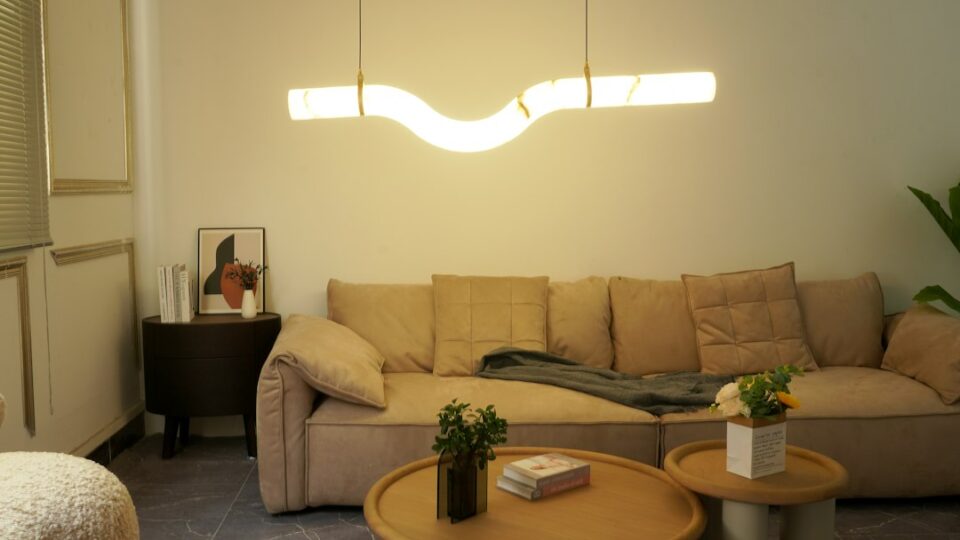
If you’re ready to turn inspiration into action, this guide gathers smart living room lighting ideas that make a space feel cozy, look polished, and work for everyday life—without adding clutter or complicated controls.
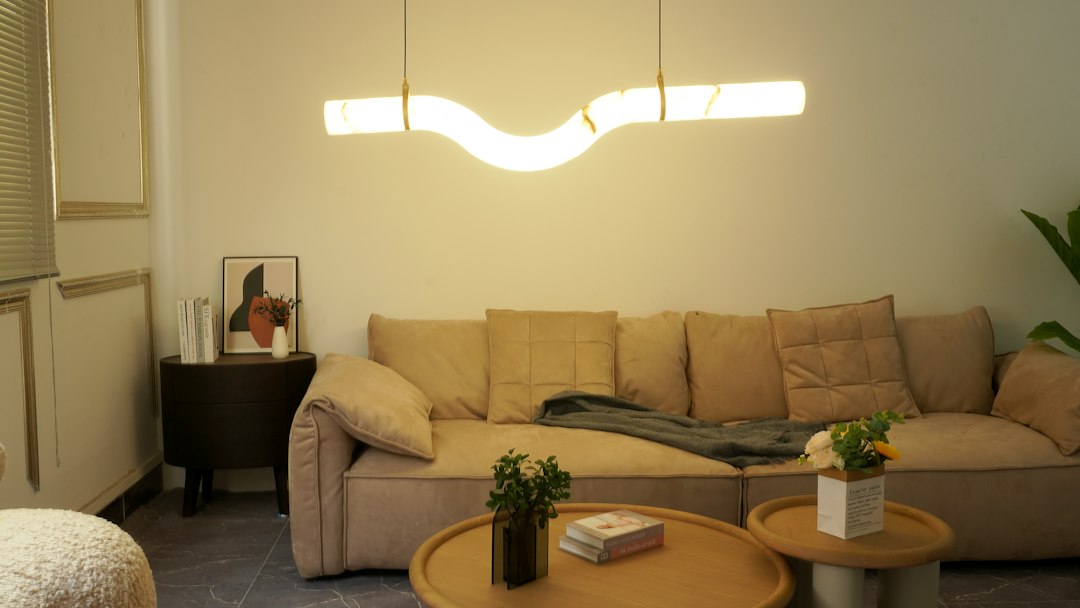
smart living room lighting ideas: Smart living room lighting ideas: set a clear goal before you buy
Every successful living room lighting plan starts with a simple question: what should the room feel like at different times of day? It’s not only about brightness, it’s about control, comfort, and flexibility. When you define goals first, the rest—bulbs, fixtures, and smart platforms—falls into place naturally.
Consider a few common goals:
- Comfort that adapts: Warm ambient light for winding down, crisper task pools for reading or homework.
- Screen-friendly evenings: A mix of low ambient levels plus soft bias light behind the TV so reflections and harsh contrasts stay in check.
- Guest-ready moments: Balanced face lighting for conversation, accent highlights on art or shelves, and easy one-button scene control.
- Family-safe setups: Stable floor lamps, tidy cable routing, and diffuser shades that keep glare low.
With goals defined, you can choose fixtures and controls that serve those scenarios rather than chasing a single “right” brightness number. The result is a room that feels calm, usable, and welcoming.
Layering the light: ambient, task, accent, and decorative
Layering is the backbone of a good living room. It lets you shape light for many activities without constantly moving lamps or swapping bulbs. Here’s a practical way to build four complementary layers.
Ambient establishes a comfortable baseline. Think dimmable ceiling fixtures, recessed cans with wide beams, or wall sconces that wash light up and down. Aim for even coverage and soft diffusion, then keep brightness adjustable so evenings can taper gently.
Task adds focused pools where people sit or work. Place a floor lamp beside the sofa, a table lamp near an armchair, or a swing-arm sconce over a reading nook. Position task lights slightly behind or to the side of the shoulder so light falls across pages or keyboards rather than into eyes.
Accent provides depth and interest. Picture lights bring art to life without flooding the wall, compact uplights silhouette plants, and LED strips inside shelves make built-ins glow with a custom feel. Accent lights don’t need many lumens; they’re about shape and focus.
Decorative is the personality layer—sculptural lamps, glass or linen shades, and unique fixtures that act like visual anchors. Decorative pieces should not overpower the room; they contribute to mood and style while the other layers carry the functional load.
Combine these layers with smart control so a single tap or phrase changes the mood from morning coffee to movie night. That is where “smart” becomes more about comfort than gadgetry.
Bulbs and color quality: temperature, CRI, and dimming that work together
Bulbs shape how a room feels even more than fixtures do. Color temperature describes warmth: 2700K–3000K usually makes a living room feel welcoming and relaxed. 2700K leans cozy, flattering wood and textiles. 3000K feels a touch crisper—handy for puzzles, board games, or craft sessions.
Color quality is measured by CRI (Color Rendering Index). Look for CRI 90+ so fabrics, paint, and skin tones look natural rather than dull. High-CRI LEDs bring out the richness of navy cushions, green leaves, and walnut furniture. Matching color temperature and CRI across multiple bulbs helps the room look consistent as you dim or brighten.
Dimming matters both for comfort and energy habits. Choose bulbs labeled “dimmable,” and if you plan to use a wall dimmer, check the manufacturer’s compatibility list so low levels stay steady without flicker. In lamp sockets, smart bulbs or smart plugs with software dimming work well as long as you keep the lamp’s physical switch in the “on” position.
Shade and diffuser choices affect glare and spread. Drum shades give broad, even light, cone shades focus downward for reading clarity, and linen diffusers soften edges. If you love clear glass lamps, use frosted bulbs or add a shade so light feels gentle rather than piercing.
For playful evenings or seasonal decor, consider a few color-capable bulbs for accent zones—shelves, behind the TV, or a plant corner—while keeping everyday ambient and task bulbs in warm white. This way, daily scenes stay comfortable, and your accent layer handles celebration moments.
Planning brightness: lumens, coverage, and surfaces
Instead of chasing a single brightness target, distribute lumens thoughtfully across your room’s zones. A typical living room benefits from roughly 2000–4000 lumens spread through ambient, task, and accent layers. Smaller rooms with light, matte walls may need less; larger rooms or dark finishes may need more. Build for coverage and contrast control, not raw output.
Use this simple planning grid:
- Ambient baseline: 800–1600 lumens across ceiling fixtures or sconces, with dimming to shape the mood.
- Task pools: 450–800 lumens per table lamp; 800–1600 lumens for floor lamps near reading seats or craft areas.
- Accent highlights: 50–300 lumens for picture lights, plant uplights, or shelf strips.
Measure length, width, and ceiling height; note finishes and light paths. Tall ceilings can accept more lumens, while low ceilings benefit from broader diffusion. Dark walls absorb light, glossy surfaces reflect and may cause bright spots, and matte finishes keep glare in check. Consider daylight, too—rooms with strong natural light need fewer lumens during the day but still benefit from evening layering.
Balance contrast across layers. If ambient is very low and task lamps are very bright, eyes work harder. Dim task pools to comfortable levels, raise ambient slightly, and let accent light supply depth. The aim is connection between sources, not one bright light dominating the room.
Fixtures and placement: practical choices that feel intentional
Fixtures should suit daily routines as much as decor style. For ambient light, choose low-profile ceiling fixtures with diffusers that soften glare. If you have recessed cans, use wide-beam trims and lay them out in pairs above paths and activity zones rather than spotlighting seats. Wall sconces can replace busy overhead layouts in small rooms—mount them slightly above eye level and choose shades or frosted glass for gentle beams.
Task lighting determines comfort at seats. Weighted-base floor lamps stay stable near kids and pets, arc lamps reach over coffee tables, and swing-arm sconces serve narrow spaces. Place task lamps within arm’s reach of where people sit, angled so light falls across pages or keyboards rather than toward faces. The most inviting reading nook is often a chair with a lamp just behind the shoulder.
Accent options add dimension without clutter. Picture lights brighten frames, compact uplights create plant silhouettes, and LED strips tucked into shelves or along the back of a TV add depth. For households with toddlers or pets, consider fixtures that hide hot surfaces, minimize dangling cords, and route cables neatly along baseboards with clips or paintable raceways.
Renters can go portable: freestanding lamps, adhesive LED strips, plug-in sconces, and smart plugs turn ordinary fixtures into responsive ones. When you move, the setup comes with you—smart lighting can be an investment in comfort rather than a permanent construction project.
Smart controls: switches, plugs, platforms, and physical buttons
Smart lighting shines when everyone can use it. A smart plug turns a favorite lamp into a responsive fixture with voice or app control. A smart dimmer switch modernizes an entire overhead circuit in one change, keeping the room adjustable with a familiar wall control. If you mix brands, choose a platform that unifies them—devices compatible with Matter often integrate well across ecosystems.
Connectivity choices include Wi‑Fi (simple, direct), Zigbee (low power, robust mesh), and Thread/Matter (fast, interoperable). Pick based on your ecosystem—and whether you prefer a hub. Many households like pairing app control with physical buttons: wall dimmers and small scene remotes make the room usable for guests and kids who don’t carry your phone.
Plan control locations like furniture placements. Put a dimmer by the main entry, a scene remote near the sofa, and smart plugs on lamps you adjust frequently. Label devices clearly inside your app (“Sofa lamp” beats “Lamp 3”) so fine-tuning scenes later is quick and intuitive.
Voice control can help, too. Short, memorable scene names—“Movie time,” “Morning reset,” “Let’s host”—cut friction so lighting changes feel natural during daily routines. If you want quick response regardless of cloud hiccups, look for devices that support local control alongside app features.
Screen-friendly comfort: TV bias lighting and reflection control
For rooms with a TV as a focal point, comfort depends on how surrounding light relates to the screen. Add bias lighting behind the TV—an LED strip mounted around the rear perimeter that casts a soft glow onto the wall. This reduces perceived contrast between a bright screen and dark surroundings and helps shadows look deeper. Keep brightness modest so the picture remains the star.
Manage reflections by checking lamp angles and shade types. Bare bulbs in the reflection path bounce into the screen, which pulls you out of the story. Switch to frosted bulbs or add shades, and slide lamps a few inches until reflections fade. If a glossy coffee table amplifies glare, consider a table runner or a different lamp position so beams don’t aim at the polished surface.
During a mixed evening—board games followed by streaming—set ambient around 40–50%, task lamps near the game at 60–70%, and bias light 30–40%. If you pause to chat, nudge ambient up slightly and lower task pools so faces look lively without harsh highlights.
Scene recipes that match real life
Scenes are small, repeatable recipes that shift the room to match common moments. Start with these and tune levels and color to fit your space:
- Morning Reset: Ambient 60% at 3000K, task lamps 50%, accent off. Lifts the room for coffee, tidying, or casual breakfast.
- Homework & Hobbies: Task lamps 80% at 3000K for crisp visibility, ambient 40%, accent 20% in shelves to stabilize contrast.
- Game Night: Ambient 50%, task 60% with slightly cooler white, accent 40% on shelves or art. Aim lamp beams away from shiny surfaces.
- Movie Time: Ambient 10–20% warm, task lamps low or off (keep a single path lamp if needed), bias lighting behind the TV at roughly 30–40%.
- Hosting & Conversation: Ambient 40–60% warm, two or three lamps at 50–70%, accent around 30% on art. Light faces more than surfaces so people look vibrant.
Save scene names that everyone can remember and say easily. Short triggers reduce friction so you actually use scenes day-to-day. Consider a gentle evening schedule that steps ambient down: 60% around dinner, 40% at cleanup, 20% during the last hour before bed. The transitions feel natural, and the room remains friendly to conversation.
If you want to share ideas, browse your platform’s community scenes for inspiration, then adapt them to your bulbs and fixtures. The best scenes are the ones you actually use, not the ones with the most steps.
Family-friendly and renter-friendly safety tips
Smart living rooms should feel safe and tidy. Place floor lamps with weighted bases where traffic is lower, use clips or raceways to route cords along baseboards, and keep power strips off walking paths. If toddlers explore everything, consider shades that hide hot surfaces and compact uplights placed behind plants rather than in open corners.
For renters, adhesive LED strips, plug-in sconces, and smart plugs add functionality without drilling. If you mount a plug-in sconce, use anchors or the manufacturer’s adhesive rack and check your lease terms. Paintable raceways blend cords into wall color for a low-profile look, and felt pads protect furniture when lamps move.
Place controls where people reach naturally. A small scene remote near the seating area reduces trips across the room, and a dimmer by the entry ensures the first switch you press is the right one. The easier the controls, the more your plan feels like it belongs in your daily routine.
Energy habits and simple maintenance
LEDs use far less power than incandescent bulbs, and savings grow when you dim or schedule lights. If you like a late-night path lamp, set it very low so navigation feels comfortable without brightening the whole zone. Over time, these small habits lower energy use and support a calmer evening rhythm.
Maintenance is straightforward. Dust shades and diffusers every few weeks, wipe lamp bases and wall plates with a soft cloth, and clean recessed trims gently. Label devices and scenes clearly in your app so troubleshooting is simple months later. When a bulb fails, replace it with the same color temperature and CRI as its neighbors to keep tones consistent.
Handle upgrades thoughtfully. If you’re standardizing color temperature or CRI, move working bulbs to utility areas rather than discarding them. Check local guidance for LED recycling or drop-off options, and choose durable fixtures—stable floor lamps, timeless sconces—so your design lasts through trend cycles.
Troubleshooting comfort: common issues and quick fixes
Most lighting frustrations have simple solutions. Use these fast checks to tune comfort without starting over.
- Room feels harsh: Ambient may be too strong or too cool. Lower ambient brightness and lean on task lamps. Warmer whites (around 2700K) often feel more comfortable in the evening.
- Single-source dependence: One bright overhead cannot do everything. Add a floor lamp and a table lamp to soften contrast and reduce stark shadows.
- Patchy color temperatures: A cool lamp next to warm lamps looks inconsistent. Standardize everyday whites at 2700K–3000K and reserve color bulbs for accent zones.
- Flicker at low levels: Bulb and dimmer may be mismatched. Use dimmable LEDs that list compatibility with your switch model, or move lamps to smart plugs and dim in software.
- Reflections in the TV: Bare bulbs or opposing lamp angles bounce into the screen. Add a shade, lower brightness slightly, or shift lamp position by a few inches.
- Dark corners: A small uplight behind a plant or a shelf strip adds depth with very few lumens.
Walk the room at night and test each seat. Sit where guests sit, look at the TV, read a page, and note any glare or shadows that distract. Moving a lamp five inches or swapping a shade can change how the entire room feels.
Budget-friendly upgrade paths and shopping checklist
You don’t need a full overhaul on day one. Try these phased plans and add layers as you learn what your room needs most.
Starter plan (modest budget): Add one smart plug to a favorite lamp, stick an LED strip behind the TV for bias lighting, and install a dimmable bulb in the overhead. Save two scenes—“Evening” and “Movie”—and use them daily. You’ll feel a clear difference with minimal effort.
Mid-tier plan: Add a second lamp on a smart plug, swap the ceiling switch for a smart dimmer, and introduce a pair of sconces (plug-in if you rent) to flank the main wall. Define four scenes—“Morning Reset,” “Homework,” “Hosting,” and “Movie”—and place a small scene remote near the seating area. Standardize bulb color at 2700K–3000K and match CRI across the room.
High-end plan: Organize fixtures into zones with Thread/Matter devices or a robust Zigbee mesh. Give lamps, sconces, shelves, and ceiling lights clear names. Add high‑CRI bulbs with consistent color, stable floor lamps, and accent pieces (picture lights, plant uplights). The payoff is comfort and flexibility at a single press rather than raw brightness.
Quick shopping checklist to save time and avoid mismatches:
- Room map with length, width, ceiling height, and daylight direction.
- Seating plan marking reading seats, craft areas, and TV location.
- Bulb standards: 2700–3000K warm white and CRI 90+ for everyday use.
- Fixture list: ceiling light, two lamps, optional sconces, accent pieces.
- Control choices: smart dimmer, smart plugs, scene remote, platform compatibility.
- Cable routing gear: clips or raceways and felt pads for furniture protection.
When you’re ready for more practical Home Decor ideas, explore familytechy.com where approachable tech meets everyday comfort.
Style and finishes: shades, materials, and subtle color
Lighting is visible hardware and visible light. Shades set diffusion and mood: linen drums spread light evenly, metal shades direct downward for dining corners, and pleated shades add texture while smoothing edges. Choose finishes with intention—matte black feels modern and grounded, brass warms and pairs beautifully with wood tones, and chrome adds crisp brightness to cool palettes.
Mix finishes thoughtfully. A black floor lamp can anchor the room while a brass picture light warms a gallery wall. If your space leans minimalist, keep hardware streamlined and rely on accent light to provide depth. In maximalist rooms, limit decorative fixtures to a few anchors so the scene remains clear and comfortable.
Introduce color accents in moderation. Rather than bathing the room in saturated light, apply color bulbs to accent zones: shelves, behind the TV, or a plant corner. A hint of amber behind a bookcase or a soft teal wash on the TV wall brings interest without distorting skin tones or food colors. Save everyday scenes in warm white, then keep a couple of playful color scenes for parties.
Owners vs. renters: installation options that reduce stress
Owners can rewire switches, add hardwired sconces, or replace ceiling fixtures. If you’re in that group, put the main overhead on a smart dimmer and give secondary fixtures separate circuits or smart plugs for flexibility. Consider neutral, matte paint so fixtures work comfortably—gloss can reflect beams in distracting ways, while matte keeps reflections soft.
Renters can build layered, adjustable light with portable gear. Use plug‑in sconces with anchors or adhesive racks where allowed, route cords inside paintable raceways that blend once painted, and attach LED strips under shelves or behind the TV for depth. Smart plugs and small scene remotes offer control from the sofa, and cable clips keep wires neat along baseboards.
When drilling isn’t an option, think vertical. Tuck a tall floor lamp behind the sofa to create backlight, mount a plug-in sconce on a decorative rail if your landlord allows it, or place a rechargeable lantern on the bookcase for a warm evening glow. Portable fixtures have improved dramatically—they’re designed to glow rather than beam—so you can add effect without aiming bright light across the room.
Putting it all together: an example plan for a medium room
Let’s combine the ideas into a concrete plan for a medium living room—about 14 × 18 feet, eight-foot ceiling, TV on one long wall, sofa opposite, and a reading chair in the corner.
Ambient: A low-profile ceiling fixture with a diffuser, dimmable, set around 50–60% for evening conversation and 20–30% for movie time. If recessed lights exist, two pairs laid out above the traffic lane and near the seating area with wide-beam trims.
Task: One floor lamp beside the reading chair (800–1200 lumens), a table lamp near the sofa arm (450–800 lumens), and an adjustable sconce over a craft table if that’s part of the room. Position lamps slightly behind shoulders for comfortable angles.
Accent: A compact uplight behind a tall plant, a picture light over the main artwork, and an LED strip inside the TV console or along the back of the screen for bias lighting.
Control: A smart dimmer on the overhead, smart plugs on the lamps, and a small scene remote on the coffee table. Devices unified under a platform that supports Matter for reliable scenes.
Scenes: “Morning Reset” (ambient 60% at 3000K, lamps 50%, accent off), “Homework” (task 80%, ambient 40%, accent 20%), “Hosting” (ambient 50%, lamps 60%, accent 30%), and “Movie” (ambient 15%, lamps low or off, bias 35%).
With this plan saved to buttons and voice, the room shifts easily. The TV looks better with bias light, reading feels comfortable, and conversation lighting flatters faces rather than tabletops.
Make it your living room, not a showroom
Smart lighting should feel human. It supports late-night reading with a warm lamp, makes homework clear without turning the space into a studio, and shifts to movie glow with a single cue. It keeps clutter low by consolidating controls, maintains comfort by balancing levels, and expresses your style through shades and finishes rather than bright color everywhere.
Start small—one plug, one dimmer, one strip—and save two reliable scenes. Then add layers where the room needs them: a second lamp for the reading corner, a sconce to frame the main wall, a plant uplight to lift a dark corner. With thoughtful bulbs, family‑safe fixtures, and easy controls, your living room can be cozy, flexible, and genuinely smart.