
Choosing furniture for a family home is one of those decisions that touches daily life far more than most purchases. When choices fit the way your household moves, rests, entertains, and cleans up, rooms feel easy and welcoming; when they miss real needs, small frustrations pile up. This practical guide gathers proven approaches for different rooms, suggests durable materials, shows safe layout patterns, and offers checklists and maintenance routines so you can make choices that fit how your family actually lives.
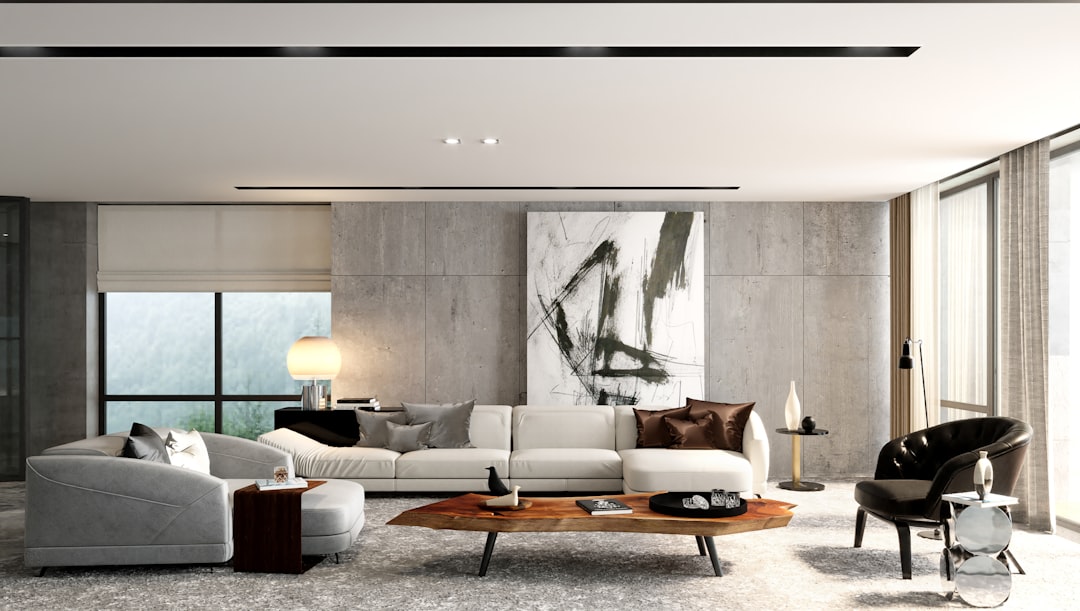
Choosing furniture for a family home: where to start
Begin by mapping how your household actually uses each space. Write down a week’s worth of patterns: where everyone drops bags, where homework happens, how often guests stop by, what times meals start and finish, and how pets circulate. Translate those habits into requirements. If the living room doubles as a play area, a sectional with washable covers and rounded corners may outrank a delicate loveseat. If weeknight dinners are fast, a simple rectangular table with wipeable chairs beats a high‑maintenance surface or chair seats that trap crumbs.
Set three priorities that steer every choice. A helpful trio is comfortable seating, easy cleaning, and smooth circulation. Comfort affects how long people linger together. Easy cleaning lowers stress when spills happen. Smooth circulation means clear paths and enough space to pass without bumping corners or lamps. With those priorities in mind, measure rooms carefully: wall‑to‑wall width, ceiling height, doorway clearances, window placements, and electrical outlets. Sketch your current layout and mark traffic paths. Most homes benefit from 30–36 inches of walk space in main routes, at least 18 inches around dining chairs, and 12–18 inches between seating and a coffee table for reachability.
Decide your design bandwidth: timeless basics with changeable accents versus trend‑led pieces that may need updating sooner. Many families find foundational items—sofas, dining tables, dressers—pay off when they’re neutral, durable, and sized correctly, while personality comes from rugs, lamps, throws, art, and slipcovers that can evolve over time. The goal is a core that stays steady while the accents flex with seasons, tastes, and phases of family life.
Room-by-room planning for busy households
Living room: Start with seating for both lounging and conversation. Sectionals maximize seats along walls and corners; a classic sofa plus armchairs creates flexible groupings. Place a coffee table with rounded edges and a durable finish within reach of every seat. If you have toddlers, swap hard‑edged tables for upholstered ottomans. Keep side tables stable and sturdy—no wobbly pedestals—in case children pull up on them. Add a tall bookshelf with anchored uprights for games, baskets for remotes and charger cables, and a media console with doors to hide devices and cord clutter.
Dining area: Choose a table shape that matches the room and routine. Rectangular tables seat the most per foot and line up with walls; round tables soften circulation and make conversations easier in compact spaces; oval tables blend both benefits. If you host occasionally, consider extension leaves that stow easily. Chairs with performance fabric or molded plastic shells handle drips and wipe clean quickly. If your dining space shares air with the living room, use a rug to visually anchor the table without becoming a crumb trap—flatweave or low‑pile is a practical bet.
Bedrooms: Balance storage and sleep. Bunk beds save floor space for siblings but require guard rails, a safe ladder pitch, and clear rules for climbing. Dressers should be secured to walls with anti‑tip kits. Nightstands with drawers tame lamp cords and book piles. In the primary bedroom, select surfaces you can dust easily and bed frames without jutting corners that bruise shins on rushed mornings. Use under‑bed drawers or containers for off‑season clothing to relieve closet pressure.
Entry and mudroom: Create landing zones. Benches with cubbies make it easy to park shoes. Hooks at child height encourage kids to hang backpacks. Closed cabinets hide seasonal gear and reduce visual noise. A durable rug or washable runner at the threshold captures grit before it travels deeper into the house. If you lack a dedicated mudroom, designate a corner near the entry with a shoe tray, a lidded bin for hats and gloves, and a small, wall‑mounted shelf for keys and mail.
Materials and finishes that stand up to daily life
Upholstery: Performance fabrics (such as treated polyester, solution‑dyed acrylic, or abrasion‑resistant blends) can help minimize stains and pilling. Look for high double‑rub ratings, tight weaves, and slipcovers you can launder according to care labels. Leather has two lives in family homes: top‑grain ages gracefully and resists surface scratches; split or corrected leather is more affordable but may show wear sooner. If pets share the sofa, avoid loose weaves that catch claws and select mid‑tone colors that disguise fur.
Tables and case goods: Solid hardwoods (oak, maple, ash) survive dents better than softwoods. Quality veneers over stable cores can be excellent when the top veneer is thick and the edges are well finished. Laminate or high‑pressure surfaces resist spills, glue, and crayons. For finishes, satin or matte sheen hides fingerprints better than glossy, and catalyzed finishes boost toughness against hot plates and moisture rings. Look for protective edge profiles—eased edges or bullnose—to help lower the impact of daily bumps.
Rugs and carpets: Choose low‑pile or flatweave rugs in busy rooms; they trap fewer crumbs and are simpler to vacuum. Wool blends wear well and spring back after compression; polypropylene and other synthetics bring budget‑friendly spill resistance. Rug pads prevent sliding and cushion falls. If kids are learning to crawl, a dense rug with non‑skid backing reduces slips. In dining areas, a rug large enough to keep chair legs on the rug even when pulled out helps maintain balance and cuts down on snagging.
Hardware and edges: Rounded corners, soft‑close hinges, and quality drawer slides repay you daily. Check that handles don’t protrude into walkways and snag clothing. On furniture that sees heavy traffic, recessed pulls and inside‑corner handles reduce bumps. For bunk beds and tall bookcases, through‑bolted fasteners and metal brackets add stability. Small touches like felt pads under chair legs protect floors and lower scraping noise.
Sofa and seating: comfort, configuration, and cleanability
Seat height, depth, and cushion fill shape comfort as much as appearance. A seat height of 17–19 inches suits most adults; shallower depths (20–22 inches) help shorter sitters and kids keep feet on the floor; deeper seats invite lounging with throw pillows. Cushion fill is a trade‑off: all‑foam keeps lines crisp, down‑wrapped foam feels plush, and all‑down requires frequent fluffing. If naps happen here, add a breathable throw and avoid super‑firm arm profiles that press on shoulders or necks.
Configurations adapt to family rhythms. Sectionals cradle corners and anchor large rooms; chaise ends are popular for reading and gaming; modular sofas let you move pieces as needs change. In small spaces, a two‑seat sofa plus two compact chairs can form conversation triangles that feel open. If you anticipate overnight guests, a high‑quality sleeper sofa or daybed preserves a spare bedroom for other uses. Ottomans with trays can stand in for a coffee table and offer soft surfaces where kids play.
Cleanability rests on covers and construction. Removable slipcovers let you spot clean and machine wash when the care label allows. Tight‑back sofas collect fewer crumbs than pillow‑back designs. Raised legs ease vacuuming underneath; a full base plinth hides storage drawers and reduces lost toys. Darker mid‑tones hide smudges better than very light or very dark fabrics, and small‑scale patterns disguise daily wear without looking busy. If you choose leather, select protected finishes that shrug off light marks and wipe down easily.
Dining and kitchen: tables, chairs, and storage that work
Match the table top material to your meal style. If dinners are family‑style with hot dishes on the table, heat‑tolerant finishes help. If craft projects happen at the dining table, choose a surface that forgives markers and glue—high‑pressure laminate or a well‑sealed wood top works. Edge profiles matter: bullnose and eased edges reduce dings and feel comfortable under forearms. If you like a pedestal table for legroom, verify stability and foot clearance for booster seats.
Chairs should be steady, supportive, and easy to wipe. Molded seats with open backs discourage crumb build‑up. Upholstered dining chairs are comfortable but pair best with performance fabric and scotch‑guarded finishes. If you use booster seats, confirm that the chair’s seat depth and back angle keep the booster stable without sliding. For long meals or remote‑work sessions, a gentle curve in the chair back supports posture better than a flat plane.
In eat‑in kitchens, banquette seating multiplies capacity and adds hidden storage beneath hinged seats. Keep pathways clear from the cooking zone to dining seats—ideally 36 inches—so multiple people can pass without jostling hot items. Tall storage near the table helps stash placemats, napkins, and board games quickly after meals. If you keep a high chair or toddler tower near the island, plan a parking spot that doesn’t block cabinet doors.
Storage that tames clutter without visual noise
Clutter isn’t just a mess; it’s friction. Good storage removes friction where it starts. Use a layered approach: closed storage to hide bulk, open storage for daily reach, and labeled bins for small items. In living rooms, media consoles with doors keep devices dust‑free and cords invisible. In play zones, durable cubes with bins enable quick cleanups. Hallways benefit from slim shoe cabinets and mounted racks sized to the corridor. In bedrooms, under‑bed drawers reclaim space for blankets and off‑season clothing.
Blend storage with seating: window benches, ottomans with lift tops, and platform beds with drawers. Make the storage easy to use. Labels on bins and shelves teach kids where things go; color codes simplify quick sorting. In shared rooms, consolidate small toys and art supplies into a single rolling cart that can move between spaces. The goal is fewer decisions in the moment, not perfect order. A “one touch” rule—every item has a home where it lands the first time—reduces re‑sorting.
Consider visibility and noise. Open shelves invite display but can look busy if overcrowded; glass doors showcase objects yet show fingerprints. If you love the look of open shelves, reserve them for a few favorite items and keep high‑use storage behind doors. Soft‑close hinges and quality slides quiet nighttime tidying. For the entry, a cabinet with a shallow drawer dedicated to keys, sunglasses, and mail clears the console top and sets up faster exits.
Layout, traffic flow, and safety in shared spaces
Start with pathways. Keep major traffic lanes 30–36 inches wide and avoid routing through tight turns or between fragile items. Place tall pieces against walls to leave sightlines open; low storage near seating makes it easier for kids to access and put away items. Try a classic layout strategy: anchor the seating area with a rug, keep the coffee table within reach of every seat, and position lighting so there’s a reading lamp at or behind the shoulder of each main seat.
Think about safety in design, not just add‑ons. Opt for stable pieces that resist tipping. Use anti‑tip kits on dressers and bookcases, and fasten large media walls to studs. Choose rounded corners in play‑heavy rooms and place lamps where cords can be concealed or clipped along furniture frames. If you have toddlers, skip glass coffee tables and delicate tripod lamps that topple easily. For window coverings, manage cords with breakaway tassels or cordless designs. Where pets sprint through hallways, non‑skid runners help stabilize footing.
Plan clear zones: reading, play, conversation, and media. Define them with rugs, side tables, and lighting, but leave space to flex when guests arrive or activities change. In homes with pets, place washable mats at entries and choose slipcovers that you can clean easily. Test your plan in real life by laying painter’s tape on the floor to outline furniture footprints and walking the routes you’ll use daily. If a route feels tight or awkward, adjust before buying.
Durability math: repairability and total cost over time
Durability is more than a label; it’s a combination of materials, construction, and how easily you can address small issues. Ask about joinery in tables and case goods (mortise‑and‑tenon, dovetails, reinforced corner blocks), cushion core construction, and slipcover availability. Consider parts availability—can you order replacement feet, hinges, or cover sets later? Repairability adds years to a piece and can lower the total cost over time, even if the purchase price is higher.
When comparing pieces, calculate total cost for five years of use. Include potential slipcover sets, reupholstery allowances, rug cleaning, and small repairs. A mid‑range sofa with a washable cover and replaceable cushion cores may outlast a budget sofa that can’t be refreshed. If you’re evaluating extended service plans, read the terms carefully, focusing on what is covered, response time, and whether parts can be stocked. Decide based on current evidence, how your family uses furniture, and your appetite for upkeep. Keep receipts, care documentation, and vendor contacts in a shared digital folder to simplify claims or replacement parts requests.
Build a small toolkit for common jobs: felt pads, anti‑tip brackets, cable clips, wood glue, touch‑up markers, spare screws, and zip ties. With those on hand, you can tighten a wobbly chair, add a protective glide, tidy cords behind a console, and freshen a nicked table edge without waiting for weekend hardware runs.
Style that grows with your family
Style that lasts tends to favor timeless silhouettes, balanced proportions, and materials that age well. Look for sofas with simple arms, chairs with supportive backs, and tables with clean lines that play nicely with many aesthetics. Choose a main upholstery color that works with both warm and cool accents, then vary texture and pattern through pillows, throws, and rugs you can rotate seasonally. If you like to refresh a room often, keep the core neutral and build a palette of accent textiles in a storage bin: spring pastels, autumn earth tones, and winter knits.
Use accessories to bring personality without locking the whole room into a theme. Lamps, mirrors, art, and side tables make it easy to refresh a look for birthdays, holidays, or new hobbies. If kids want bold colors, concentrate them in accessories and wall paint rather than permanent big‑ticket items. As tastes change, swap the accessories, repaint a wall, and keep the durable core intact. Consider one or two statement pieces—a vintage chest, a sculptural floor lamp—that hold interest without dominating the entire scheme.
Balance cohesion across rooms. A home often looks more calm when adjacent spaces share a few elements: similar wood tones, a repeating metal finish, or a consistent rug fiber. Carrying a simple thread prevents the “furniture showroom” effect while giving each room its own accent.
Eco and budget choices: value without hidden costs
Balancing budget and environmental impact starts with buying fewer, better core pieces, then using pre‑owned or refurbished items where sensible. Solid wood with repairable finishes lasts longer and can be refreshed rather than discarded. Quality secondhand pieces—especially tables, dressers, and old‑school armchairs—can be tightened, reupholstered, or slipcovered to extend life. Look for frames with solid joinery, drawers with dovetails, and signs of repairability like replaceable glides and standard hinge sizes.
Be realistic about DIY. Reupholstery requires skill and time; a slipcover or professional cleaning may be a better first step. For rugs, evaluate fiber content: wool blends wear well and can be cleaned effectively, while certain synthetics resist moisture and can be hosed off outside (check the care tag). If budget is tight, prioritize the item that most affects daily comfort (often the main sofa or the dining table), then build out storage and accent pieces over time. A small schedule of “one upgrade per quarter” keeps progress steady without pressure.
Consider lifecycle costs for appliances and fixtures related to furniture use—like under‑cabinet lighting and laundry equipment for slipcovers. Efficient bulbs, dimmers, and washable textiles reduce energy and laundering time. Donate, sell, or recycle outgoing furniture to keep it in circulation; many communities host swap groups or refurbishing workshops.
Delivery, assembly, and maintenance routines
Measure doors, stairs, and tight turns before you order large items. Ask vendors to confirm boxed dimensions and whether legs or arms are removable for tight entries. If your household’s schedule is busy, consider assembly services or plan a low‑stress weekend for building pieces. Keep a set of felt pads, anti‑tip brackets, cable clips, and a basic toolkit handy for the first week after delivery. Photograph serial numbers and labels and save manuals to a shared folder so everyone can access care information.
Maintenance routines help stop small issues from becoming big ones. Vacuum under and behind seating monthly; rotate cushions; spot clean spills promptly with manufacturer‑recommended methods; brush pet hair off textiles; and tighten loose screws on tables and chairs. Use coasters and placemats to reduce surface marks. Every six months, pull furniture away from walls, dust thoroughly, and check anchors and glides. Create a simple checklist and pin it inside a kitchen cabinet or store it in your notes app so tasks are visible and quick.
Seasonal refreshes keep rooms feeling new without buying more. Swap out throws, rotate rugs between rooms, rearrange art, and re‑lamp fixtures with different bulb temperatures (warm for cozy evenings, neutral for bright mornings). Small changes reset the mood while the durable core remains steady.
Buying checklist, worksheets, and common pitfalls
Use this list when you compare options in‑store or online. Copy it to your notes app and check the boxes as you go:
- Room measurements (length, width, height, doorways, windows)
- Traffic paths (30–36 inches for main routes)
- Main priorities (comfort, easy cleaning, smooth circulation)
- Seating needs (daily seats, guest capacity, nap potential)
- Upholstery (performance fabric, slipcovers, pet‑friendly weave)
- Table surface (heat tolerance, edge profile, finish sheen)
- Storage (closed vs open, bin labeling, anti‑tip kits)
- Lighting plan (reading lamps, task lights, cord management)
- Care tags and cleaning instructions
- Repairability (replacement parts, cover sets, standard hardware)
- Total cost estimate (five‑year horizon, cleaning, minor repairs)
- Delivery and assembly notes (boxed dimensions, legs removable)
Common pitfalls and easy fixes:
Oversized seating in small rooms. Fix: scale pieces to the longest wall and leave clear walk paths; use a two‑seat sofa plus chairs if a sectional eats too much space.
Ignoring cleanability in high‑use zones. Fix: opt for performance fabric, slipcovers, and finishes that forgive markers and hot dishes.
Buying storage that is hard to use. Fix: favor doors, drawers, and bins that open smoothly; keep labels simple and consistent; avoid overly deep shelves that become catch‑alls.
Skipping anchors and cord management. Fix: install anti‑tip kits on tall case goods the day they arrive and route cords safely along or behind furniture frames.
Trend‑first foundational purchases. Fix: keep core shapes timeless and refresh with accessories and paint; reserve trend energy for textiles and art.
All chairs, no side tables. Fix: add sturdy side tables so every seat has a landing spot for drinks and books.
Rug too small. Fix: choose a rug that anchors the seating group with front legs of major pieces on the rug; in dining rooms, extend the rug so chairs stay on it when pulled out.
Family engagement plan: kids, pets, and shared habits
Include kids and pets in the plan so choices support real routines. Offer structured choices: color families for throws and pillows, bin labels for toys, and locations for a reading corner. Set simple rules that respect both play and safety: which items can be moved, where games live after use, and how to help with quick resets before dinner. Involve older kids in measuring paths, choosing washable covers, and assembling easy pieces. When they feel ownership, the home runs more smoothly.
For pets, choose textiles and finishes that handle fur and claws: tight weaves, mid‑tone colors, and protected leather. Place washable mats at entries and a low shelf with bins for leashes and grooming tools. If your pet’s bed lives in the living room, pick a style that coordinates with your palette and position it outside major traffic paths. Train a simple routine—shake mats, brush fur off upholstery, and toss washable covers into the weekend laundry—to keep cleanup light.
Build shared habits that make maintenance feel like part of family rhythm rather than a chore. Five‑minute tidy times after dinner, a Sunday cushion‑flip, or a monthly mini‑reset can keep spaces feeling fresh without long sessions. Short, regular efforts beat occasional overhauls.
A simple 7-day plan to refresh a lived-in home
Day 1: Measure main rooms and doorways; sketch the current layout and traffic paths. Note bottlenecks and items without homes. Create a “to measure” list for any piece you plan to buy.
Day 2: Declutter surfaces; add a basket or bin where items pile up (keys at the entry, papers near the dining table). Label bins for quick sorting.
Day 3: Reposition seating to form balanced conversation zones; switch a hard‑edged coffee table to a padded ottoman if needed. Check lamp placement so each main seat has light.
Day 4: Label bins in play or craft zones; consolidate small items in a rolling cart. Edit open shelves to display fewer favorites and relocate extras behind doors.
Day 5: Check anchors and cord routing; add felt pads under chairs and protective mats near entries. Verify rug pad coverage so corners don’t creep.
Day 6: Refresh textiles—wash slipcovers per care tag, rotate cushions, swap seasonal throws. Consider a mid‑tone throw to disguise pet fur between laundries.
Day 7: Review what worked, adjust rugs and lighting, and make a short shopping list for missing storage or small pieces. Photograph the updated layout for future reference when you shop.
If you want more ideas, see the Choosing Furniture category on our site. You can start here: Choosing Furniture. Use it to compare materials, layouts, and care routines tailored to family life.
Furniture is part of everyday family rhythms. Pick the right mix of comfort, cleanability, and safe circulation, plan clear paths for movement, and choose materials that hold up to real use. With a few measurements and a focused checklist, your rooms will support the way you live, grow, and gather.