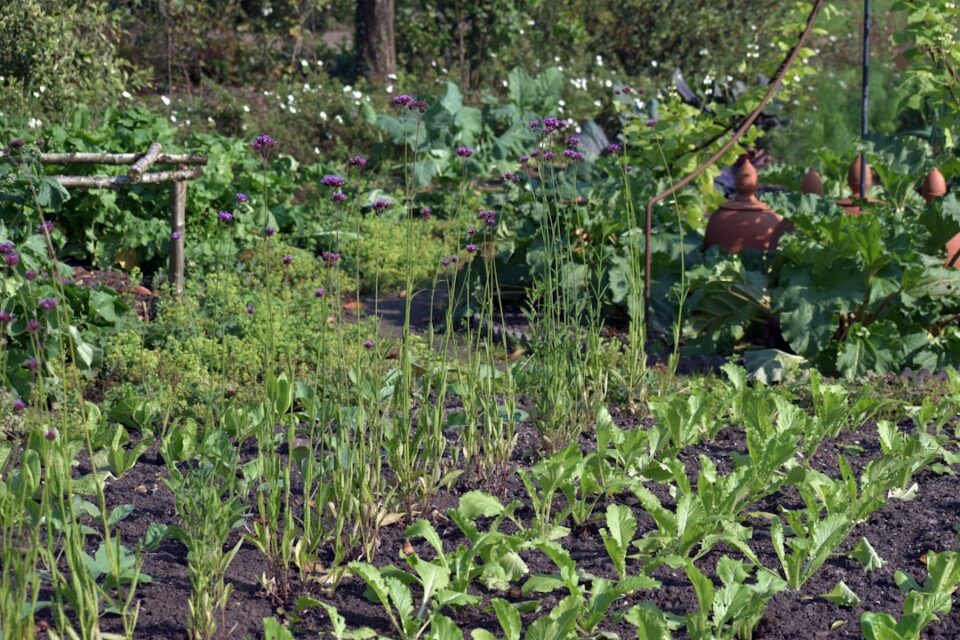
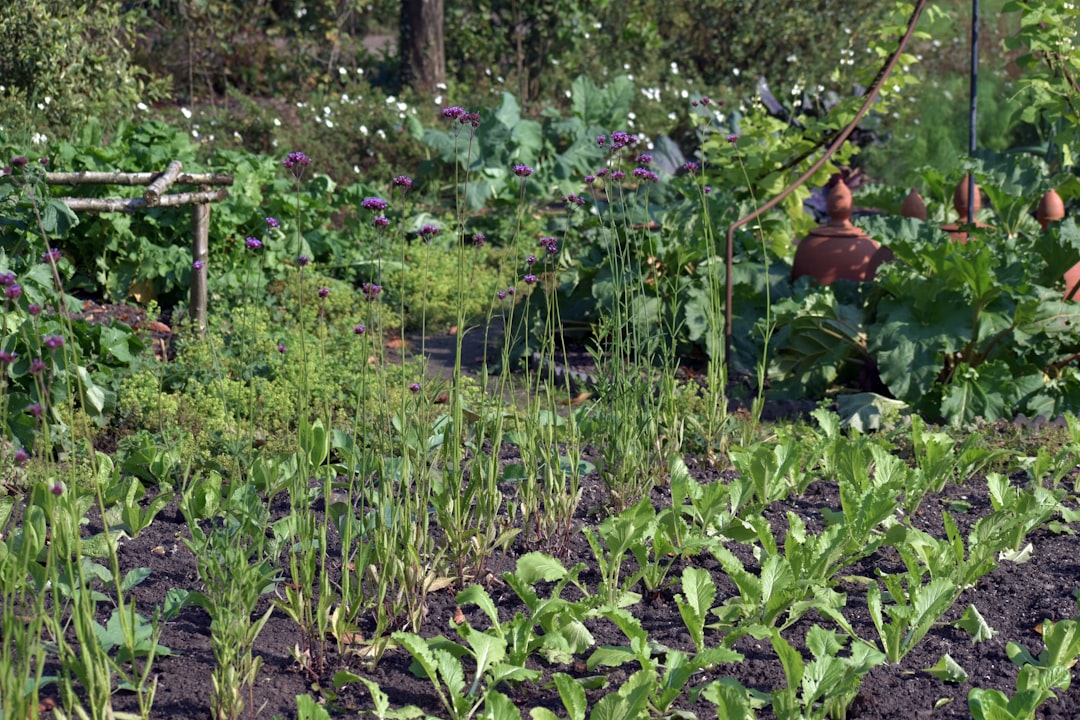
companion planting in organic gardens works best when I stop thinking about it as a list of lucky plant pairings and start thinking about it as bed design. That shift changes everything. I am no longer asking whether two crops are friends in the abstract. I am asking whether they fit the same space, the same light, the same watering rhythm, and the same season. Once I use that lens, mixed beds stop feeling random and start feeling manageable.
If I want a broader planning frame, I can keep the Organic Gardening section on FamilyTechy open as a reference point while I sketch the garden. Companion planting sits inside that larger picture. It works best when the soil has been built with care, when spacing is honest, and when I keep watching the bed instead of assuming the first layout will stay right all season.
I have made the mistake of copying pairing charts too literally. A chart can be useful, but it cannot see my sun angle, my windy corner, my drip line, or the fact that one bed dries out faster than the next. A chart also cannot tell me how much time I actually have for thinning, staking, harvesting, and tying things back when summer gets busy. That is why I prefer a practical approach. I want combinations that solve real problems in the bed, not combinations that merely sound clever.
What follows is the way I think through a mixed planting before anything goes into the ground. I start with structure. Then I look at plant size, growth speed, root depth, and harvest timing. After that I choose pairings that fit the bed I actually have. If I keep that order, the garden feels calmer, and the season usually feels less chaotic too.
How companion planting in organic gardens starts with bed structure
The first thing I ask is not which plants like each other. It is what the bed needs to do. A bed can be a corridor, a staging area, a dense patch, a vertical wall, or a temporary home for quick crops. Once I know the bed’s job, I can place plants with more confidence. That sounds simple, but it keeps me from forcing crops into a layout that only looks good on paper.
I like to divide a bed into three layers. The top layer is the canopy, where tall crops and supports live. The middle layer is the working zone, where most of the main crops sit. The bottom layer is where I can tuck in quick greens, living mulch, or shallow-rooted crops that do not mind partial shade. When I think in layers, I stop wasting open space and I stop crowding the same zone twice.
For example, a tomato bed with stakes can hold basil, lettuce, and a border of low flowers if I keep the center open for airflow. A corn patch may leave room for a low underplanting early in the season, but not forever. A trellised cucumber bed can feel generous at first and crowded later if I forget how fast the vines move. The structure of the support matters as much as the crop list.
I also look at access. Can I reach the middle without stepping on soil? Can I water the roots without wetting every leaf? Can I harvest without breaking stems? A mixed bed that is hard to reach often becomes a mixed bed that I neglect. Good structure makes the rest of the plan easier.
If I had to reduce the whole idea to one habit, it would be this. I design the bed for movement. Plants grow, fill in, and shift the space. My layout should already account for that change.
Why plant height and root depth matter more than a pairing chart
Some of the most useful decisions I make come from height and root depth, not from folklore. A tall crop can cast useful shade, or it can crush a smaller crop under too much cover. A deep-rooted crop can share space with a shallow feeder, or it can compete if both are pulling from the same layer of soil. That is why I sort crops by how they use the bed, not just by name.
I start with the tallest plants first. Tomatoes, corn, trellised beans, and cucumbers all create vertical structure. Then I ask what belongs beneath them. A low crop with a quick harvest window often works well because it can finish before the taller crop fully stretches out. Lettuce, radishes, and some herbs are good examples of that pattern. They buy me time, then they leave.
Root depth gives me another angle. Carrots and onions do not ask the bed for the same soil space as squash or potatoes. That does not make them automatically compatible, but it helps me think clearly about pressure below the surface. Two crops can look modest above ground and still be fighting below ground if their roots explore the same zone. I try to avoid that kind of silent conflict.
One of my favorite tests is to imagine the bed in late summer, not on planting day. That is when the mistakes show up. A crop that looked tidy in May may be leaning, shading, or pushing into its neighbor by July. If I can picture the mature size of each plant, I can place fewer bets and make fewer corrections later.
A quick comparison helps. If one crop is tall and airy, and the other is low and quick, the bed can often handle both. If both crops are wide, thirsty, and slow to finish, I usually rethink the pairing. That one filter saves me from a lot of overcrowded beds.
Match growth speed to harvest timing
Timing matters just as much as space. I have seen beds fail not because the plants were bad neighbors, but because they all wanted the same room at the same time. A fast crop can be a helper if it leaves early. A slow crop can be a problem if it blocks the bed for months. When I plan by timing, I make room for change instead of trying to freeze the garden in one perfect state.
Radishes are a simple example. They are quick, they mark a row, and they are often gone before slower crops need the space. Lettuce can also play this role when I harvest outer leaves or cut whole heads early. The point is not to squeeze every inch. The point is to keep the bed active while the main crop is still settling in.
Transplants are part of the same thinking. I might start a bed with spinach, sow carrots beside it, and then move in a larger crop once the quick greens are cut. Or I might use a temporary crop to hold the soil while I wait for a later planting window. When I plan in stages, I avoid the pressure of having every square foot occupied on day one.
I also try to compare maturity dates before I plant. If two crops finish close together, I ask whether that is useful or awkward. Sometimes it is useful because I can clear the bed and reset it at once. Sometimes it is awkward because both crops crowd the same harvest window and leave me with too much to handle. The timing should make the bed easier, not busier.
A good rule for me is simple. If one crop leaves before the other reaches full size, the pairing deserves a closer look. If both peak together and both spread hard, I usually simplify.
Use family groups to reduce hidden competition
Plant families are one of the most practical tools I have. Crops from the same family often share habits, feeding patterns, and common problems in the bed. That does not mean I never grow them together. It means I understand the risk of repeating the same demands in the same place. I want enough variety to make the bed resilient, not so much sameness that one issue spreads through everything.
When I look at a bed, I try not to stack too many crops from the same family in one tight area. If I place too many related plants together, the bed can become hard to read and harder to manage. A little diversity helps me spot changes faster. It also keeps the bed from feeling like a monoculture with extra steps.
Spacing is part of this. Two crops can be compatible in theory and still struggle if I plant them too close. A good companion planting plan is not an excuse to compress the whole garden. I would rather have a looser bed with clear lanes than a packed bed that looks efficient but becomes awkward to water and harvest. Breathable spacing is often what keeps mixed beds functional.
One way I compare options is by asking whether the pairing adds contrast or repetition. Contrast means different root depth, different harvest timing, or different height. Repetition means the same kind of canopy, the same kind of root demand, or the same kind of spread. Contrast usually helps. Repetition usually asks for more room than I want to give it.
That is why I think of family groups as a planning filter rather than a rulebook. They help me see where pressure might build before I plant. Once I know that, I can choose a better neighbor or I can leave a little more space between them.
Build layers with herbs, flowers, and mulch
Mixed beds work better when every layer has a job. The main crops should obviously earn their place, but the small plants around them can do a lot of useful work too. Herbs, flowers, and mulch are not decoration. They are part of how I keep the bed readable, covered, and easier to manage through the season.
Herbs are useful because they stay low and fill awkward gaps. Basil near tomatoes, dill near quick greens, and parsley along an edge can all make a bed feel fuller without blocking the main crop. I still watch the size of the herb as the season moves. Some herbs stay tidy, and some stretch faster than I expect. I do not want them to become a second canopy by accident.
Flowers have a similar role. I like simple, compact flowers near the borders or at bed corners because they add diversity without taking over the center. They also give me a visual cue that the bed is alive and layered. A mixed bed with a few flowers feels more complete than a bed of vegetables alone, and I find it easier to inspect because the shapes are easier to distinguish.
Mulch may be the quietest layer, but it matters a lot. Bare soil loses moisture quickly, grows weeds faster, and looks unfinished. A mulch layer helps me hold moisture, soften splash from rain or watering, and keep the bed surface calm. I use mulch especially where I want to leave open space for seedlings or where I need the soil to stay workable between visits.
When I combine these layers well, the bed feels less fragile. The main crops are not fighting to stand alone. They are supported by the smaller pieces around them.
Pairings that often work because they solve a real bed problem
When I talk about useful pairings, I am not looking for magic. I am looking for combinations that solve a practical problem in the bed. Some pairings help with shade. Some help with access. Some help with timing. Some simply use space in a cleaner way. That is the standard I trust.
Tomatoes and basil are a common example because the basil stays low while the tomato rises. That makes the bed feel layered instead of flat. Basil also sits neatly near the base of the tomato without demanding the same vertical room. I still leave enough air around the tomato stems, because staking and pruning become harder if I crowd the base.
Carrots and onions are another useful pairing because they use the bed differently. The tops sit in a similar band of space, but the roots explore the soil in different ways. I like this pairing when I want a cleaner row structure. It helps me keep the bed organized and gives me a simple rhythm for harvesting and thinning.
Lettuce under taller crops can work especially well early in the season. The taller crop gives the lettuce some shade as temperatures rise, and the lettuce uses space that would otherwise stay empty for a while. I like this approach under trellised beans, young tomatoes, or other crops that take time to fill out. The trick is to harvest the lettuce before the canopy closes too much.
Beans and corn can work in a bed that already has the structure for it. I pay close attention to support, spacing, and moisture when I use that pattern. I do not want the bed to become a tangle I cannot reach. A good pairing should make the bed easier to use, not harder to walk through.
These are not universal laws. They are patterns that often solve real layout problems. I still test them against my own soil, climate, and bed size before I settle in.
Pairings that need more caution than the charts suggest
Some combinations sound smart until I imagine them three months later. That is where caution helps. I am not trying to ban anything. I am trying to notice when a pairing may demand more room, more attention, or more adjustment than I want to give it.
Fennel is one crop I handle carefully. It carries a strong presence in the garden and often fits better in its own space. I would rather give it a defined corner than force it into a mixed bed where it starts setting the tone for everything around it. Some crops are good roommates. Some are better as separate projects.
Mint is another plant I keep in check. It can be useful, but it spreads fast and does not respect a shared bed unless I contain it. I usually grow it in a pot near the garden rather than directly inside a mixed bed. That lets me keep the bed calm while still having the herb nearby.
Large squash can also make mixed beds awkward if I do not reserve enough room. The vines can shade a lot of ground and make access difficult. I can still use squash in a mixed layout, but I give it clear borders and I think about the path I will need later for watering and harvest. A sprawling crop is not a good surprise once the bed is full.
I also watch crops that ask the bed for similar resources at the same time. If two plants need the same type of moisture, the same root zone, and the same amount of sun, I slow down and compare the cost of placing them together. Sometimes the answer is yes. Sometimes the simpler answer is to separate them and save myself work later.
A cautious pairing is not a failure. It is a sign that I am reading the bed honestly.
Water, soil, and feeding rhythm keep the plan stable
No companion plan can compensate for a bed that dries out too fast or soil that stays compacted. The system only works when the basics are steady. Water, soil, and feeding rhythm are the quiet supports that let the plants use their space without constant stress. I usually fix those pieces before I fuss over any plant pairing.
Soil structure comes first. If the bed is packed down, roots do not spread well and the plants end up competing harder than they should. I want loose, living soil that can hold moisture without going stale. That gives the mixed bed a better chance of sharing resources instead of fighting for them. Compost and organic matter matter here because they help the bed hold together without sealing up.
Watering rhythm matters too. If I group plants with very different moisture habits, I make my life harder. I prefer to match crops that can live on a similar watering schedule, or I place the more sensitive ones where I can reach them separately. Drip lines and careful hand watering help because they let me feed the bed in a way that is more even and less disruptive.
Feeding is similar. A bed with mixed crops should not be pushed so hard that everything races upward at once. A steady, moderate routine usually works better than a burst of input that creates a flush of leaf growth and then leaves the bed unbalanced. I keep an eye on the soil surface, the color of the leaves, and the pace of growth rather than trying to force the bed to look one way.
When the basic rhythm is right, companion planting becomes much easier. The plants are not being asked to solve problems the soil should have handled in the first place.
Plan for season changes before the bed fills in
The season does not stay still, and my plan should not either. What looks open in spring may be shaded by midsummer. What feels crowded in June may open up after a quick crop is harvested in July. I get better results when I plan for that change from the start instead of pretending the first layout will last untouched.
Succession planting is one of the simplest ways to do this. I can start with a quick crop, then follow with another planting once space opens. That keeps the bed productive without forcing every crop to live there for the full season. It also helps me spread out my work, which is useful when harvests all seem to land at the same time.
Rotation matters too, even in a small garden. I do not want the same family in the same corner year after year if I can avoid it. Shifting crop families around helps me manage the bed over time and keeps the space from settling into a narrow pattern. Even simple rotation notes can make next year’s plan easier.
I like to sketch a calendar with three moments in mind. The first is planting day. The second is the point when the bed starts to close in. The third is the likely harvest window for the main crop. If I can picture those three moments, I can often see where the bed will need thinning, staking, or a second planting.
That kind of planning saves me from surprise congestion. The bed is never static, so I try not to design it like it is.
A practical checklist for mixed beds that stay easy to work
When I am standing in front of a fresh bed and trying to decide what goes where, I use a simple checklist. It keeps me from overthinking the pairing charts and helps me focus on what the bed can actually handle.
- Will one crop grow much taller than the others?
- Do the roots use different parts of the soil?
- Will one crop finish early and open room for the next step?
- Can I water the bed without soaking everything at once?
- Will I still be able to harvest comfortably when the bed fills out?
- Does the layout leave enough air between the main crops?
- Can I reach the center without stepping on soil?
- Do I know what happens to the open space after the quick crop is gone?
If I can answer yes to most of those questions, I usually feel comfortable moving ahead. If I answer no to several of them, I simplify the plan. That might mean fewer crops, wider spacing, or a different support system. I would rather make that adjustment before planting than rescue the bed later.
Another question I ask is whether the bed still makes sense if the weather shifts. A windy spell, a hot run, or a rainy stretch can expose weak planning fast. A bed that works only in perfect weather is too delicate for me. I want one that still feels workable when conditions move around a bit.
This checklist does not replace observation. It simply gives me a way to start without guessing.
How I keep a companion-planted bed healthy through the season
Maintenance is where the real work happens. I can design a thoughtful bed and still lose it if I stop watching. Mixed beds need a little more attention than simple rows because the crops change at different speeds. I try to keep that upkeep light, regular, and specific.
I walk the bed often and look for the same few signals. Is one crop shading another too much? Is a trellis leaning? Is mulch thinning out in one corner? Is the soil drying faster near the edge? These small checks tell me where the layout is starting to drift. I do not wait until the bed is tangled before I act.
Thinning is one of the easiest maintenance jobs to ignore and one of the most useful to do early. A crowded seedling patch can ruin a good layout if I let it sit too long. I thin with the final spacing in mind, not the temporary excitement of seeing every seed come up. That small adjustment keeps the rest of the season much easier.
Pruning and tying back are just as important for taller crops. I do not want a tomato cage, bean trellis, or cucumber vine to overrun the lower layer. The support structure should carry the weight so the bed stays readable. If a crop starts making a new job for me every few days, I step in and reset the shape.
I also keep notes. Not a formal record, just a few sentences about what worked, what crowded out another crop, and what I would move next time. That habit makes each season cleaner than the last. By the end of the year, I usually know which pairings deserve another try and which ones need a different layout.
That is the part I trust most. The best mixed beds feel calm because I kept paying attention. I did not force the plants to behave. I built a bed that made their growth easier to read, and then I stayed involved enough to keep it that way.
That is really what companion planting in organic gardens gives me when I do it well. Not a perfect chart. Not a promise. Just a smarter way to place plants so the bed stays useful, open, and easier to live with as the season moves on.