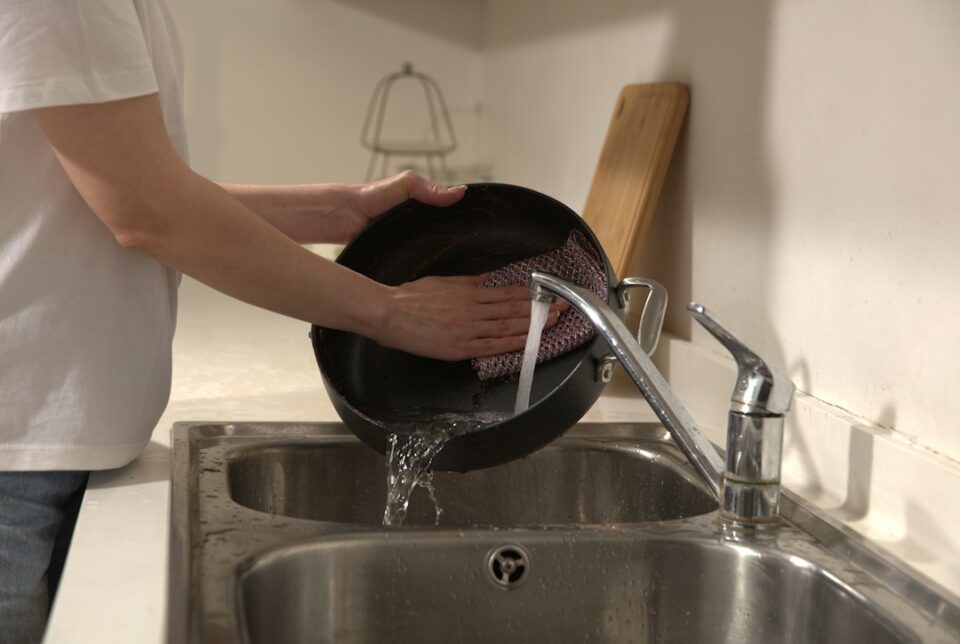
The best way to unclog a kitchen sink is simple: remove any visible debris, seal the other drain opening (or the dishwasher hose) to build suction, and plunge the drain in 3–5 thirty-second bursts, then run hot water to flush. This is the fastest, safest, and cheapest first move for most clogs, and it works whether you have a single or double basin.
If plunging doesn’t clear it within a few cycles, the next step is to clean the P-trap or use a 6–10 ft sink auger from the wall pipe; avoid pouring chemical cleaners into standing water because they can pool, splash during disassembly, and create a hazard. If you have a garbage disposal, kill power first, spin it with the hex key, press the reset, test briefly, and then reattempt plunging and flushing.
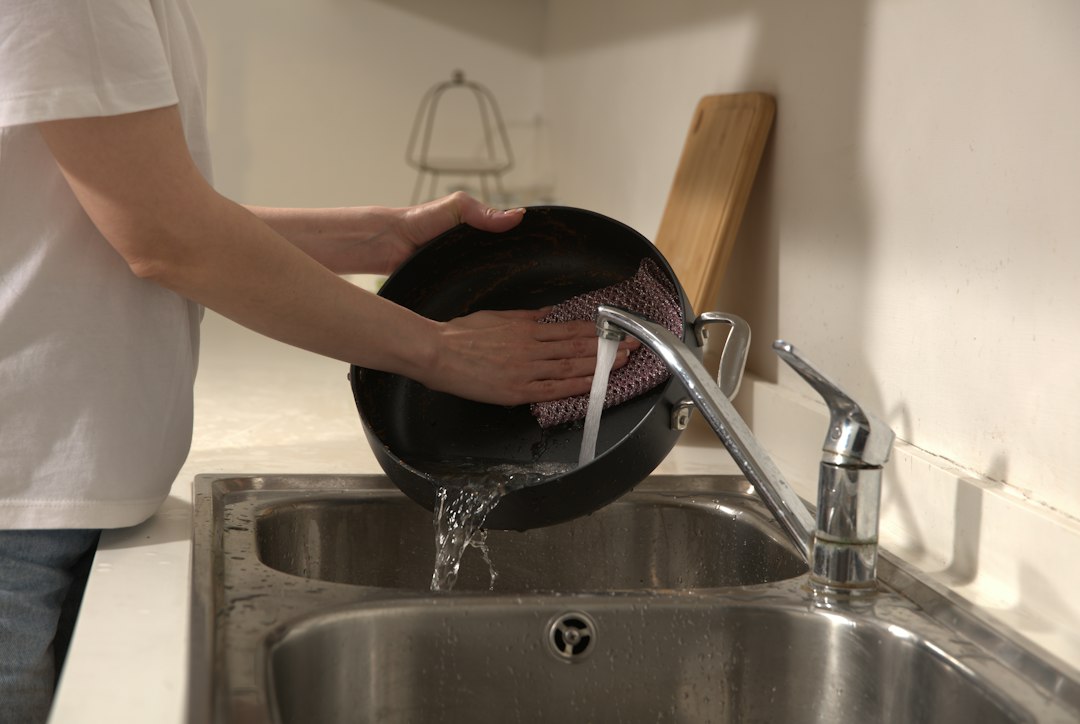
The best way to unclog a kitchen sink (fast, safe, and cheap)
Start with the method that gives you the most result for the least money: a sink plunger and hot water. Before you plunge, remove the strainer and any obvious food scraps or foreign objects. Fill the basin with a few inches of warm water to help the plunger seal and to push water pressure into the clog.
On a double sink, the most common mistake is plunging without sealing the other drain. Use a wet rag or a sink stopper to seal the unused drain. If you have a dishwasher, clamp or pinch the dishwasher drain hose temporarily where it tees into the sink line to stop air bleed; a spring clamp or locking pliers with a rag works for a short period. This seal is what gives the plunger its power.
Plunge firmly with a straight up-and-down motion for 30 seconds, rest 10 seconds, and repeat 3–5 times. Lift the plunger and check the water level; if it drops and you hear gurgling, you’re making progress. Run hot water for 30–60 seconds to carry loosened debris away. Expect the whole attempt to take about 5–10 minutes. Tools cost about $10–$15 if you need to buy a sink plunger.
If you have a garbage disposal, never plunge while it’s powered. Unplug it or switch off the breaker, use the included hex key in the bottom socket to free the impeller, remove any foreign objects with tongs, press the reset button, restore power briefly to test, then cut power again before plunging. Only restore power fully after the drain flows.
If plunging fails: clean the P-trap and snake the line
When a sink is still clogged after several good plunging cycles, the blockage is often in the trap or just past it. Cleaning the P-trap is straightforward and saves time compared with random chemicals.
Step-by-step to clean the P-trap safely:
- Place a bucket under the trap (the U-shaped pipe) to catch water.
- Put on gloves. Loosen the slip nuts by hand if possible, or with channel-lock pliers.
- Remove the trap and pour the contents into the bucket. Clear debris with a bottle brush or an old toothbrush, checking both the trap and the short trap arm leading to the wall.
- Rinse the trap with warm water; reassemble with the slip nuts hand-tight, then gently snug with pliers without overtightening.
- Run water and check for leaks; if the sink still backs up, move to snaking.
Snaking the line after the trap:
- Use a 6–10 ft hand-crank sink auger. Insert it into the wall pipe after removing the trap.
- Crank while pushing gently; when you feel resistance, rotate steadily to bite into the clog. Pull back, clean the tip, and repeat until resistance eases.
- Reassemble the trap and run hot water for a minute to flush. A small squirt of dish soap can help float residues.
Time and cost: cleaning the trap typically takes 10–15 minutes and costs nothing beyond basic tools; a hand auger is about $15–$25 and may take 15–30 minutes for a beginner. Stop DIY and consider a pro if water still stands after the trap and auger steps, or if more than one fixture in the kitchen or nearby bath is backing up.
Special setups: double sinks, garbage disposals, and dishwashers
Double sinks and appliances change how you build pressure and how water moves in the branch lines. Here’s how to adjust:
- Double sinks: Plug the unused basin completely. Without that seal, each plunge just shoves water to the other bowl, not the clog. Test the seal by pressing the plunger and seeing zero bubbles in the other basin.
- Dishwashers: Their drain hose ties into the sink line. During plunging, clamp the hose temporarily to stop air from leaking. Remove the clamp as soon as plunging finishes; don’t leave it clamped during regular use.
- Garbage disposals: Never run the unit while plunging. If the disposal hums but doesn’t spin, use the hex socket under the unit to free it, press the reset, run a quick test, then shut power again before plunging. After the drain clears, flush with hot water and a small amount of dish soap to move residual grease.
- Standing water protocol: Don’t pour chemical cleaners into a full basin. Either plunge first or disassemble the trap. Chemicals can linger in the trap and splash during disassembly.
For a pictorial walkthrough of basic kitchen drain maintenance, see Kitchen Sink Drain Cleaning: A Practical Homeowner Guide and, for broader routines, see Drain cleaning tips for kitchen, bath, utility sinks.
Natural vs store-bought options: what actually works
Plenty of household ideas float around. Some help with mild, early-stage slowdowns; few will break a full blockage. Use them thoughtfully and understand their limitations.
- Boiling water + dish soap: Helpful for fresh grease films. Boil a kettle, add a small squirt of dish soap to the drain, and slowly pour the water in two or three rounds, pausing 15–20 seconds between pours. This is generally safe for metal and PVC drains; avoid thermal shock on old porcelain by pre-warming with hot tap water.
- Baking soda + vinegar: Good for odor and light biofilm. Pour half a cup of baking soda, then half a cup of white vinegar. Let it foam for 10–15 minutes, then flush hot water. Don’t expect it to punch through a wad of fibrous food or a solid plug.
- Enzyme cleaners: These are designed to work over hours, not minutes. They can help with slow drains and ongoing maintenance, especially overnight when the sink is idle. They are not a first-line tool for a complete blockage.
- Chemical gels and lye-based products: Reserve for last and only in accordance with labels. Never mix different products, never use them with standing water that you plan to plunge or disassemble, and avoid using them if you suspect the trap will be opened soon. Chemical residues can damage finishes or injure skin and eyes if splashed.
In short, hot water and soap can loosen fresh grease, and enzymes can help maintain a clear line. For solid clogs, mechanical methods—plunge, trap clean-out, auger—are more reliable than household chemistry.
Choose the right method by symptoms
Picking the right first move saves time and mess. Use these common patterns to triage your situation:
- Greasy film and a slow drain after cooking: Try boiling water plus a small amount of dish soap, then plunge with a sealed drain. If the flow improves but remains slow, clean the trap.
- Fibrous foods or peels slipped in: Think trap or near-wall line. Clean the P-trap and trap arm first; then snake 6–10 ft into the wall if needed.
- Hard object dropped in a disposal: Cut power, retrieve the object with tongs, spin the impeller using the hex socket, press the reset, test briefly, then plunge if water still lingers.
- Standing water and a gurgling sound in nearby fixtures: The clog may be deeper in the branch line; trap clean-out and an auger are the efficient path.
- Multiple drains slow or sewer odor present: This points to a main line issue or venting problem. Skip household chemicals and call a professional.
If you need help managing a stressful plumbing moment, see the practical guidance in What You Should Do If You’re In Need Of Plumbing.
What plumbers use and when to call
Professional plumbers rely on longer, more powerful tools and, importantly, access points that homeowners may not use. A plumber may open a cleanout under the sink, in the crawl space, or outside, and run a professional-grade auger much farther than a handheld snake. For sticky or heavy build-up, some professionals use hydro-jetting through a cleanout to scour the pipe walls.
Typical service costs vary by region and complexity. As a general reference, a basic kitchen line auger via an accessible cleanout commonly falls in the $100–$200 range. More complex work—finding and opening exterior cleanouts, navigating long runs, or addressing roof vent or main line issues—can climb higher. If clogs recur, multiple fixtures back up, or DIY steps (trap plus auger) didn’t restore normal flow, calling a pro saves time and prevents damage.
Call immediately if you notice sewage odors, dirty water backing up into multiple fixtures, or if the sink still holds water after trap cleaning and snaking. A pro will likely check for a deeper obstruction, inspect the venting, and evaluate whether grease, biofilm, or roots (if applicable in older homes with a connection to a yard line) are contributing.
Keep it clear: easy prevention habits
A few small habits dramatically reduce kitchen clogs. Use a basket strainer to catch food particles, empty it into the trash or compost, and wipe greasy pans with a paper towel before rinsing. Avoid sending coffee grounds and dense starches down the drain; they collect and thicken in the trap and branch lines.
After oily meals, run hot tap water for 15–30 seconds with a tiny bit of dish soap to carry residues away. For routine care, an occasional overnight enzyme product can help maintain flow in homes that see frequent cooking. If your household is busy or varied, a simple plan helps—see ideas in Drain cleaning tips for kitchen, bath, utility sinks and seasonal routines in The Ultimate home plumbing maintenance checklist.
Quick reference: methods compared
| Method | Best for | Time estimate | Typical cost | Tools needed | Steps summary | Risk to pipes/finish | Works with standing water? |
|---|---|---|---|---|---|---|---|
| Plunger | Most common clogs near trap | 5–10 min | $10–$15 | Sink plunger, rag/stoppers | Seal other drain/dishwasher hose, plunge 3–5 cycles, flush hot water | Low if used correctly | Yes |
| Clean P-trap | Solids in trap or trap arm | 10–15 min | $0 (basic tools) | Bucket, pliers, brush | Remove trap, clear debris, reassemble, test | Low if reassembled properly | Yes (since you disassemble) |
| Sink auger | Clogs in wall pipe beyond trap | 15–30 min | $15–$25 | 6–10 ft hand-crank snake | Insert after trap, rotate through resistance, retract, flush | Low–moderate; avoid forcing bends | Yes (after trap removal) |
| Boiling water + soap | Fresh grease film, minor slow drains | 10–15 min | $0–$2 | Kettle, dish soap | Pour in rounds, then flush | Low; caution on old porcelain | No if basin is full; drain first |
| Enzyme cleaner | Maintenance, slow drains overnight | Hours | $10–$20 | Enzyme solution | Apply per label, let sit, flush | Low | No (not for full clogs) |
| Chemical gel | Last-resort for partial clogs | 30–60 min | $8–$15 | Labelled drain gel | Follow label exactly; never mix products | Moderate; can damage finishes and be hazardous | No (avoid with standing water) |
| Pro auger/hydro-jet | Deeper or recurrent clogs | 30–90 min | $100–$200+ | Professional tools | Use cleanouts, long augers, or jetting | Low in trained hands | Yes |
Five-minute triage checklist (first attempt)
- Remove strainer and visible debris.
- Seal the other drain on a double sink and clamp the dishwasher hose if present.
- Plunge 3–5 thirty-second cycles; listen for gurgling and watch for drop in water level.
- Run hot water for 30–60 seconds to flush loosened material.
- If you have a disposal, reset it only after power-off inspection, then re-test.
- No improvement? Set a bucket and clean the P-trap; if needed, snake 6–10 ft into the wall pipe.
FAQ highlights
How do I unclog a double kitchen sink with a garbage disposal and dishwasher?
Seal the non-working basin completely, clamp the dishwasher hose during plunging, and cut power to the disposal. Free the disposal with the hex key and reset. Then plunge 3–5 cycles, restore power for a quick test, and flush hot water.
How do I clean sink pipes (P-trap) safely?
Use a bucket, loosen slip nuts, remove the trap, clear debris with a brush, and reassemble snug, not overtight. Check for leaks by running water before you put tools away.
What is the strongest thing to unclog a drain and when should I use it?
Mechanical methods—plungers and augers—are the most reliable for full clogs. Chemical gels are a last resort and should be used only according to labels, never mixed, and not when you plan to disassemble the trap soon.
How do I unclog a kitchen sink with standing water quickly?
Seal and plunge first. If plunging fails after a few cycles, disassemble the P-trap and clear it; then use a sink auger into the wall line. Avoid pouring chemicals into the standing water.
Is baking soda and vinegar effective for unclogging a kitchen sink?
They can help with odors and light buildup but have limited power against substantial clogs. Use them for maintenance or mild slowdowns, not as the primary tool for a full blockage.
With a clear plan and basic tools, most kitchen clogs can be resolved at home quickly and safely. When the signs point deeper or multiple fixtures back up, move to professional help sooner rather than later.